The French currant market offers promising opportunities for market gardeners, with growing demand for local and organic products, supported by favorable trends in the agri-food, cosmetics, and dietary supplement sectors. However, this crop also presents challenges, including international competition, climatic hazards, and high production costs, requiring tailored strategies to maximize profitability and meet market expectations.
Currants: Presentation and Uses
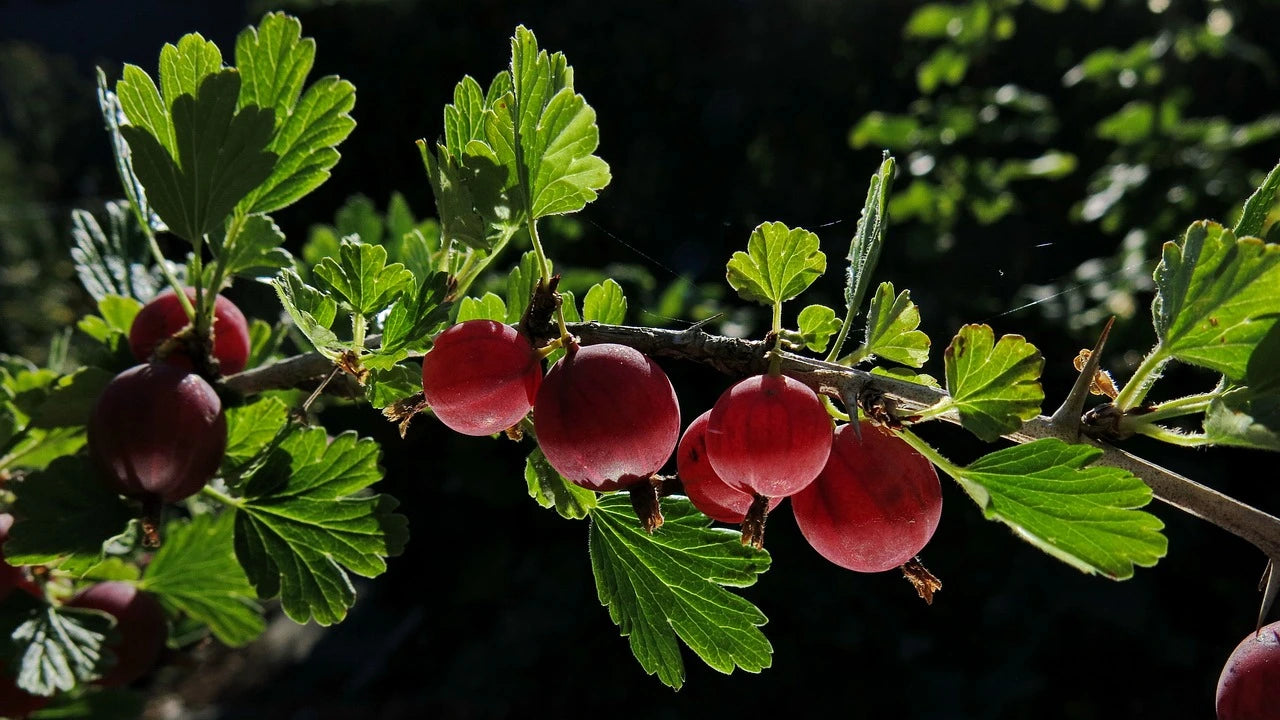
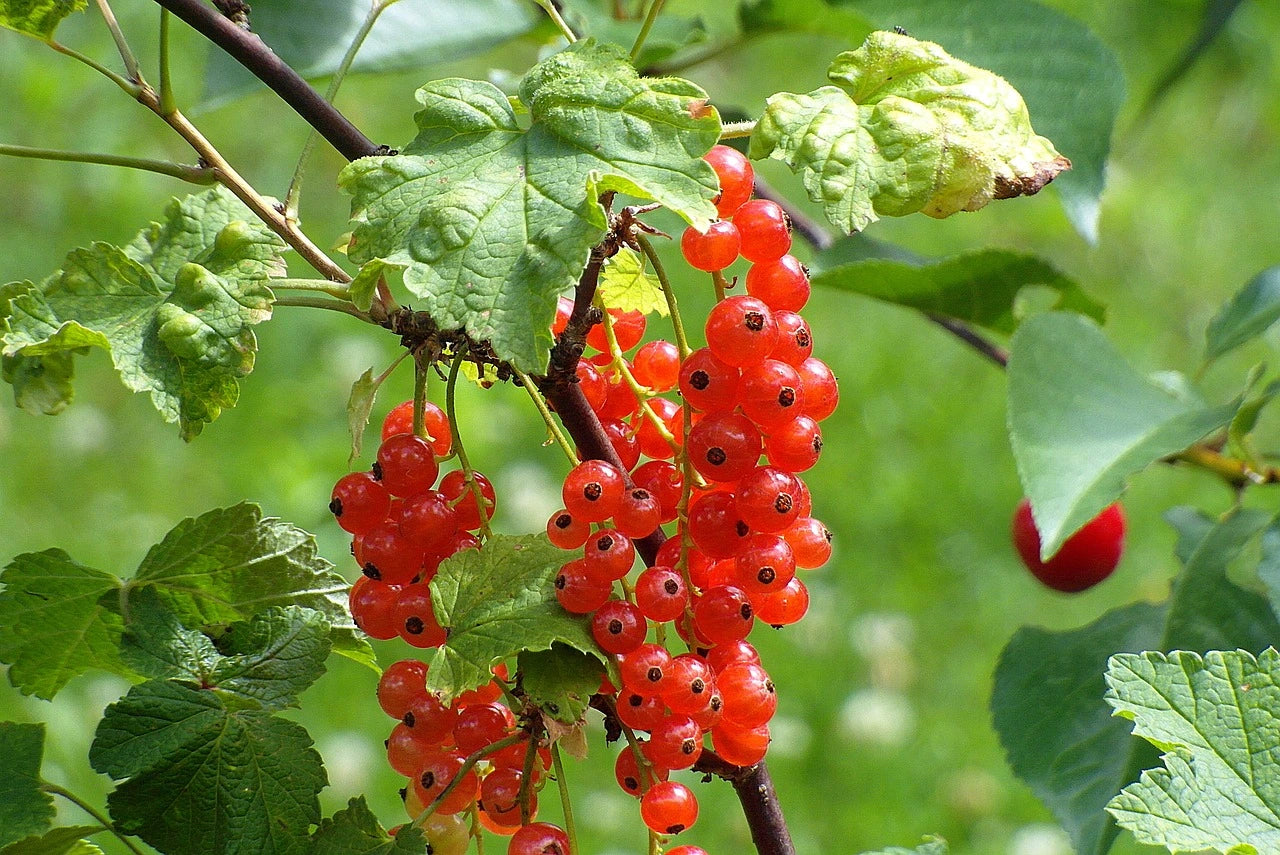
The gooseberry is a bushy shrub that can reach 1 to 2 meters in height, native to the temperate regions of Europe and Asia . Its fruits, currants, are small red, pink or white berries which grow in clusters of 7 to 20 grains . They have a tangy, sweet flavor, with a shiny, translucent skin .
In France, currants are mainly used in the food industry for the production of jams, jellies and syrups, thanks to their richness in pectin . They are also very popular in baking and dessert decoration . The hospitality sector remains an important outlet, but retail sales are becoming increasingly important, especially in winter . Gooseberries are also made into fruit puree or frozen for use throughout the year .
- Main varieties cultivated in France:
Evolution of the Gooseberry Market
The French currant market has seen mixed trends over the past three years. In conventional agriculture, cultivated areas have remained relatively stable, with a slight decrease of 2% between 2022 and 2024 . Production volumes fluctuated depending on weather conditions, with 2023 being a particularly difficult year due to late frost episodes.
The organic market is seeing more positive momentum. The area cultivated with organic currants increased by 9% between 2022 and 2024, in line with the general growth trend in the organic sector in France. This increase is due to growing consumer demand for local and organic products, as well as producers' efforts to diversify their crops. However, organic production volumes remain modest, representing around 14% of total currant sales in France .
- Key points:
- Relative stability of the conventional market
- Significant growth in the organic market (+9% in surface area)
- Production fluctuations linked to climatic hazards
- Growing demand for local and organic products
Current Market Status
The French currant market in 2024 shows contrasting trends between conventional and organic farming. In conventional agriculture, cultivated areas have stabilized at around 1,900 hectares . Conventional production remains dominant, but faces profitability challenges due to competition from neighboring countries such as the Netherlands .
For the organic market, we observe a positive dynamic with an increase in certified areas of 8% in 2023 . New organic farms focus in particular on vegetables and berries . This growth is supported by increased consumer demand for local and organic products, particularly following the health crisis . However, organic production volumes remain modest, representing around 5% of total fruit and vegetable sales . Organic redcurrant prices remain high, with average prices around €23-24/kg for 125g punnets, which may slow consumption but offers opportunities for added value for producers.
Regions and Terroirs of Groseilliers
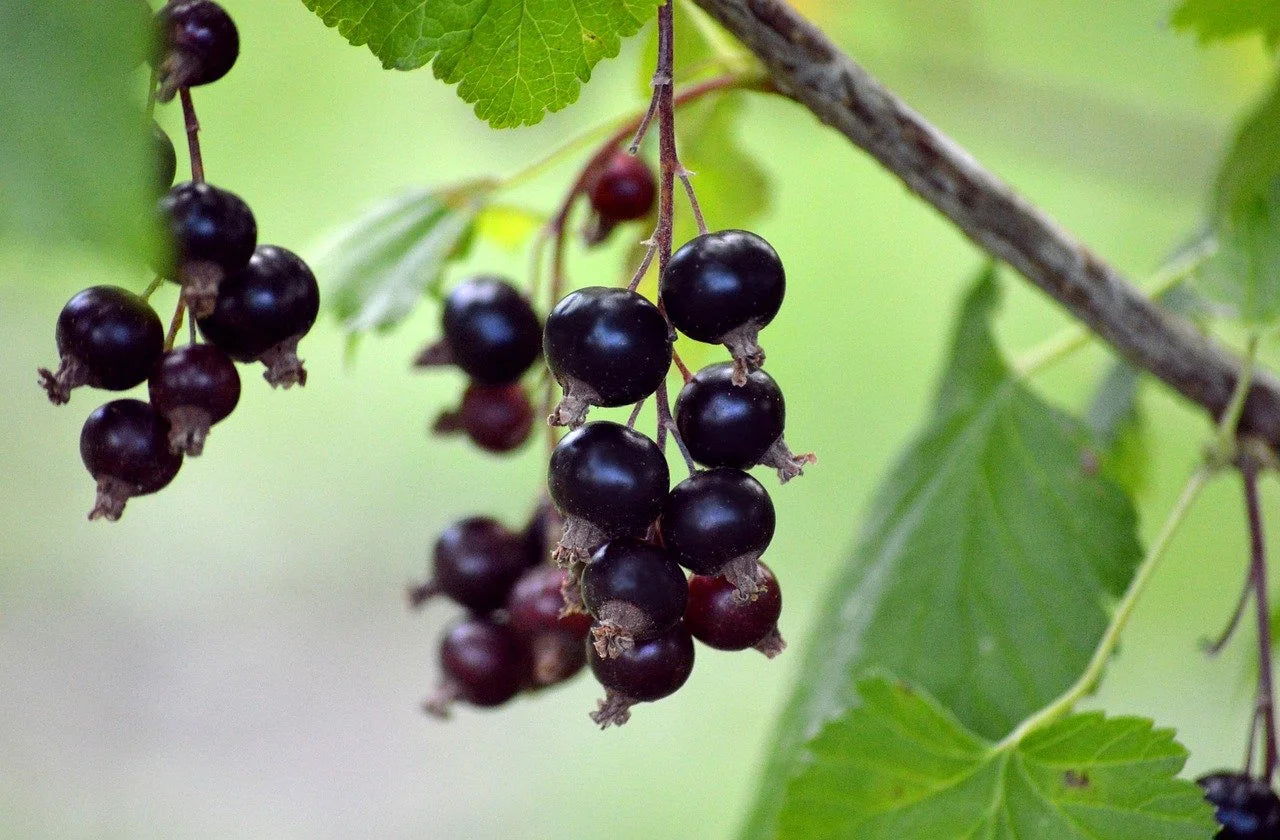
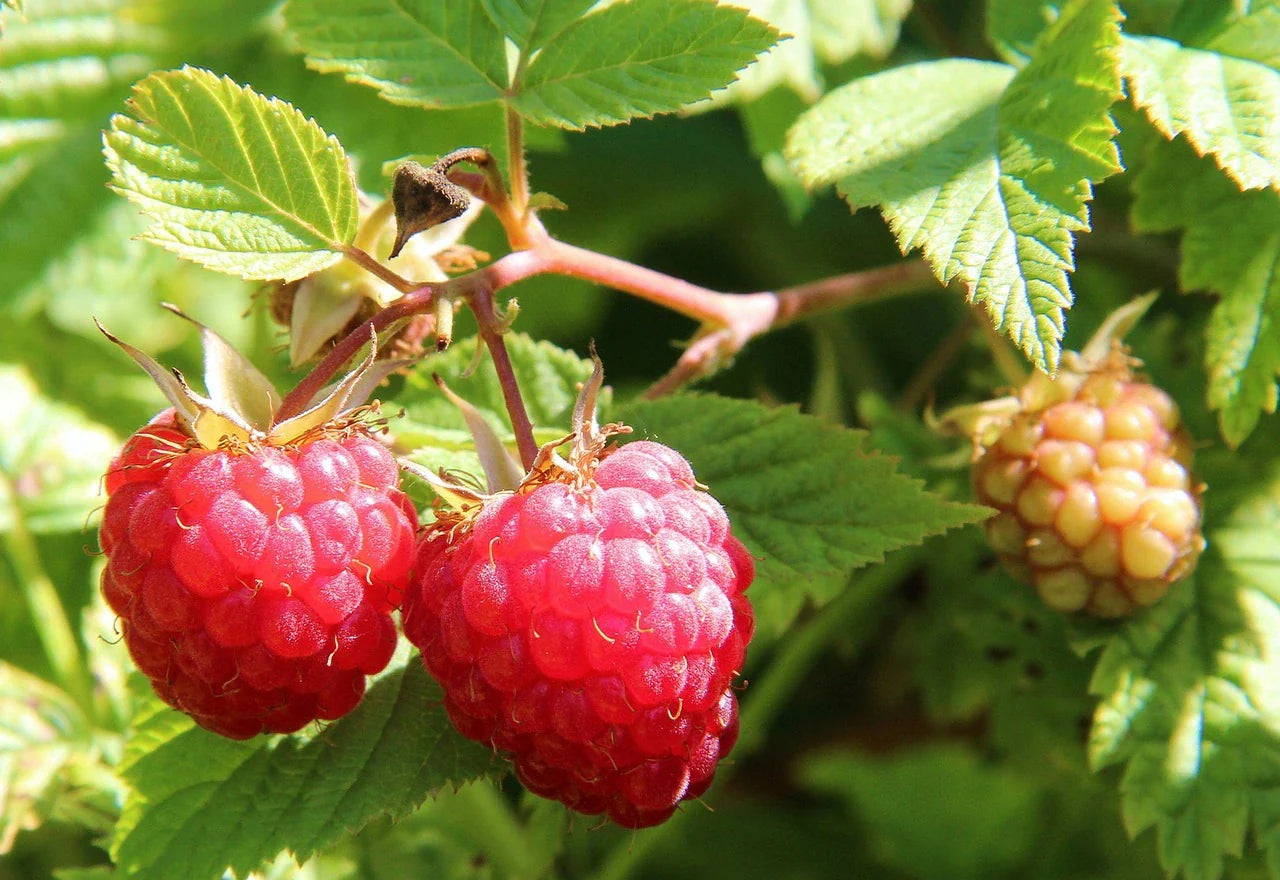
Hauts-de-France stands out as the leading gooseberry producing region in France, representing 27% of cultivated areas . This region benefits from a cool climate and humus-rich soils that are favorable to growing gooseberries. The Oise region specializes in blackcurrants, while the Aisne region is renowned for its raspberries . Nord-Pas-de-Calais and Somme offer a diversified production of red fruits, including currants.
Other regions such as the Rhône Valley, the Loire Valley and the Côte d'Or also cultivate gooseberries . Gooseberry bushes adapt well to the cool climates of the north of the Loire and to mid-mountain areas, withstanding temperatures down to -25°C . However, they are sensitive to late spring frosts and require cool, well-drained, slightly acidic soils for optimal growth .
- Regional specificities:
- Hauts-de-France: cool climate, humus-rich soils
- Mountainous regions: adaptation to low temperatures
- Southern regions: cultivation in partial shade recommended
Gooseberry Growing Techniques
The main varieties of redcurrants grown in France are 'Jonkheer Van Tets' (bright red, early), 'Versaillaise blanche' (translucent white fruits) and 'Gloire des Sablons' (pale pink) . These shrubs prefer rich, well-drained, slightly acidic soil, with sunny or partially shaded exposure . Irrigation is crucial in spring and summer to ensure good fruiting . The recommended planting density is approximately 1 plant every 1 to 1.5 meters.
Average yields vary between 5 and 8 kg per plant in conventional cultivation, slightly lower in organic farming. Gooseberry bushes come into production in the second year after planting and can remain productive for 15 to 20 years with proper maintenance . Regular pruning, particularly the removal of branches over 4 years old, is essential to maintain productivity .
International Trade and Competition
France occupies a modest position on the international currant market, ranking 6th among European producers with less than 2,000 tonnes per year . World production is dominated by Russia (420,000 tonnes) and Poland (160,000 tonnes) . French imports of currants remain limited, with around 1,000 tonnes per year, mainly from Poland and the Netherlands .
Unlike other small fruits such as raspberries or blueberries, whose imports have increased by more than 100% in recent years, the French redcurrant market remains relatively stable . However, competition from neighbouring countries, particularly Poland, is weighing on the profitability of French producers . This competitive pressure is encouraging domestic producers to turn to higher value-added products, such as organic currants or high-quality processed products, to stand out in the market .
Opportunities for French Producers
The French currant market offers interesting opportunities for producers, both in the conventional and organic sectors. In the conventional sector, diversification into value-added processed products such as artisanal jams or cold-pressed juices represents growth potential. Industrial outlets, particularly in the food and cosmetics industries, are expanding with the increasing use of redcurrant extracts in food supplements and care products .
The outlook for the organic market is particularly promising. Consumer demand for local and organic products continues to grow, providing opportunities for producers to grow . Institutional aid, such as the 94 million euro emergency fund and the increase in the budget of the Organic Agency, support the transition and the promotion of organic products . In addition, the organic fruit and vegetable segment in specialist stores is showing growth of 8.4%, demonstrating sustained interest in these fresh products . Producers can also explore the growing market for organic food supplements, which grew by 2.3% in the last quarter .
Profitability and Financial Aid
There are significant differences in currant production between conventional and organic farming. In organic farming, production costs can be up to 22% higher, mainly due to the specific inputs and additional labor required . However, organic yields are generally 20 to 40% lower than conventional . Despite these differences, the potential profitability of gooseberries remains interesting, with gross margins of up to 700-1000 kg per 1000 m² per year and an average fresh selling price of 14 to 20 euros per kg .
To support the transition to organic farming and crop diversification, several aid schemes are available. Farmers can benefit from aid for conversion (CAB) and maintaining organic farming, as well as an organic tax credit increased to €3,500 . In addition, a support fund of 90 million euros has been set up in 2024 for organic farms in economic difficulty . Producers can also access investment aid from Regional Councils, Water Agencies and ADEME for organic sector development projects .
Sector Challenges and Risks
The market for currants, both conventional and organic, faces specific challenges. In conventional production, competition from low-cost imports, particularly from Poland and the Netherlands, puts pressure on prices . Phytosanitary risks, such as anthracnose and powdery mildew, can significantly affect yields . For organic production, high production costs (around 75% of the total cost) and the fragility of the fruit (storage limited to 48 hours at 10°C) pose logistical and economic challenges . Strict regulations and organic certification costs are also significant constraints . In addition, competition from low-cost imported frozen products threatens direct sales of fresh organic fruit . These combined factors make the organic currant market particularly sensitive to fluctuations in demand and prices.
Innovations and Future Perspectives
The gooseberry sector is experiencing significant advances in innovation and research. Participatory breeding programs aim to develop more hardy and locally adapted population varieties, thus meeting the specific needs of organic farmers . These new genetically heterogeneous varieties offer greater resilience to environmental variations and are part of an agroecological approach.
In the medium term, the gooseberry market is expected to witness sustained growth, driven by the increasing demand for natural and functional products. The gooseberry extract industry, in particular, is expected to reach USD 0.95 billion by 2032, at a CAGR of 9.85% . This growth will be driven by the increased use of gooseberry in food supplements, cosmetic products and functional foods, responding to the consumer trend towards healthier and more natural products .
Recommendations for French Market Gardeners
The integration of gooseberry cultivation presents significant advantages for French market gardeners, including a growing demand for local and organic products, as well as opportunities for diversification towards value-added products . However, this culture also brings challenges, such as competition from low-cost imports and high production costs, particularly in organic farming .
For an informed decision, market gardeners should:
- Favor disease-resistant varieties to reduce phytosanitary treatments .
- Optimize soil fertility through regular additions of organic matter to improve yields .
- Consider growing under cover to extend the season and protect against adverse weather conditions .
- Explore processing opportunities (jams, juices) to enhance production and reduce losses .
- Consider organic certification to benefit from a growing market and conversion aids .
By adopting these strategies, French market gardeners can take advantage of the potential of growing gooseberries while minimizing the associated risks.
Plant Suppliers and Advice
To obtain quality gooseberry plants or advice on planting a plot, two specialist suppliers stand out:
Bairiverse ( https://plantspetitsfruits.com/ ) offers a wide range of small fruit plants, including gooseberries, tailored to the needs of professionals. Their offer includes plants in mini-plugs, pots and containers, available in organic and conventional versions . Bairiverse stands out for its commercial responsiveness and technical expertise, offering personalized support from varietal selection to planting .
Econome à Légumes ( https://economealegumes.fr/ ) is a trader in plants and plant material offering aggressive prices directly to producers . Their range includes gooseberry plants and other small fruits, with deliveries guaranteed throughout France. Econome à Légumes also offers technical advice and personalized support to optimize your crops .
These two suppliers guarantee quality plants, fast delivery and technical support adapted to the needs of professional market gardeners.