The French aronia market in 2025 is characterized by positive dynamics, driven by the versatility of this antioxidant-rich superfruit and its multiple outlets in the agri-food, nutraceutical, cosmetic, and pharmaceutical sectors. With sustained growth in both organic and conventional production, and promising opportunities for French producers, aronia is establishing itself as a crop of the future despite the challenges related to international competition and production costs.
Presentation and uses
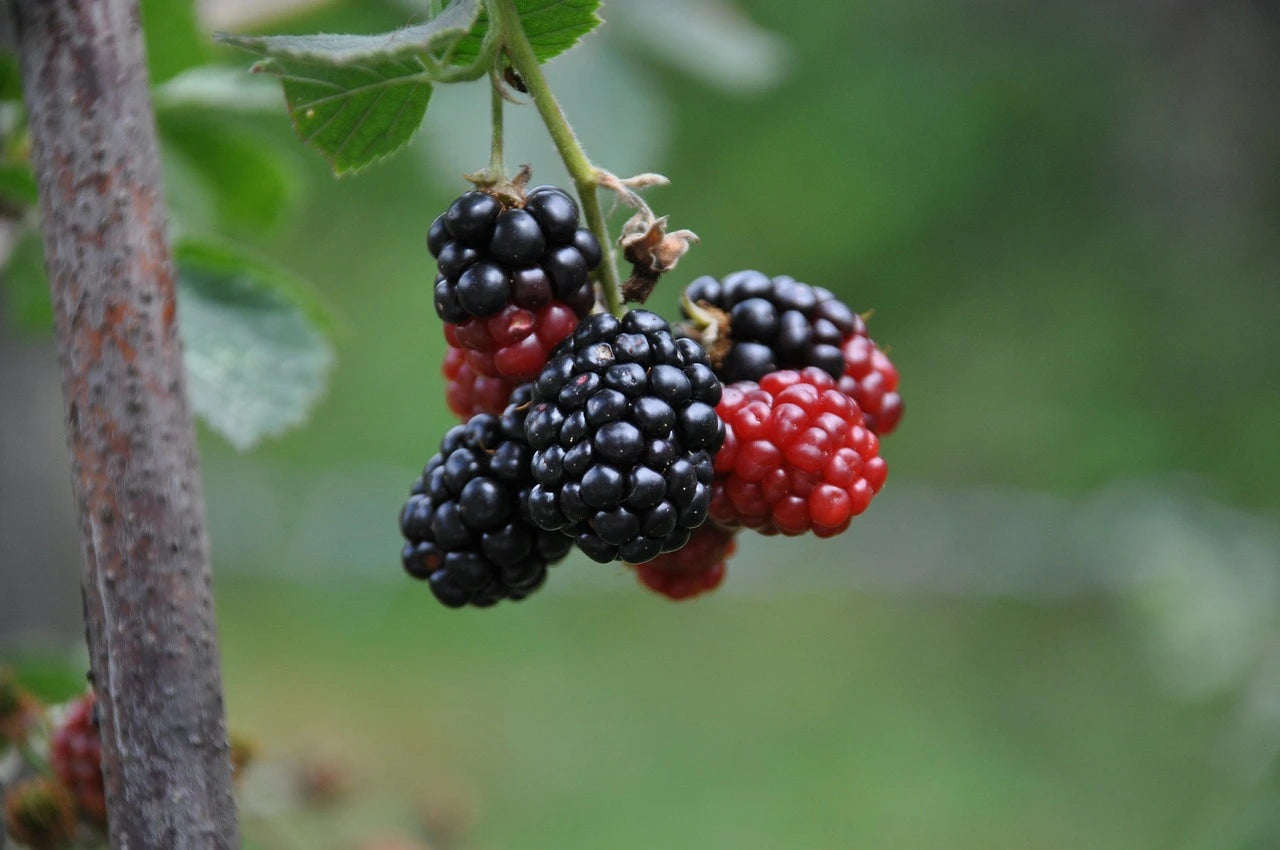
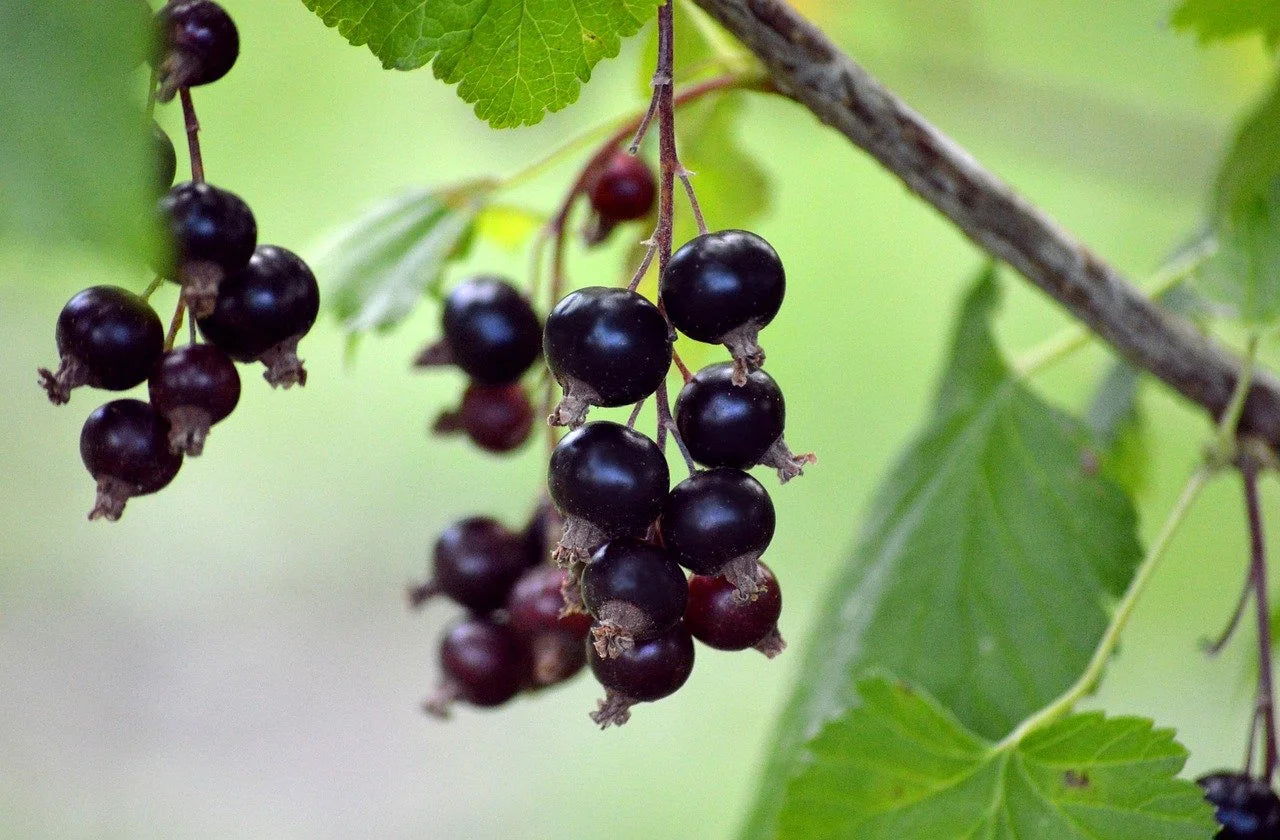
Aronia (Aronia melanocarpa) is a hardy shrub native to North America, producing small black berries rich in antioxidants . These fruits, called aronias, are distinguished by their high content of polyphenols and anthocyanins, surpassing that of many other small fruits . In France, the main commercial uses of aronia are divided as follows:
- Food industry: juices, jams, syrups, dried products
- Nutraceuticals: food supplements rich in antioxidants
- Cosmetics: extracts for skin care
- Pharmaceutical: research on antioxidant and anti-inflammatory properties
The versatility of aronia and its health benefits make it a promising crop for French market gardeners, with growing opportunities in various sectors.
Evolution of the French market
The French aronia market has experienced significant growth in recent years, both conventionally and organically. In organic farming, the area dedicated to small fruits like aronia increased steadily between 2020 and 2023. . France is the European leader in certified organic areas, with more than 2.4 million hectares cultivated in 2022 .
For the conventional market, although data specific to aronia is limited, a positive trend is observed. The global aronia market has grown from USD 1.83 billion in 2023 to a projected USD 2.31 billion by 2032, with a compound annual growth rate of 2.6%. . This dynamic reflects the growing interest in this superfruit, driven by the demand for healthy and natural products, particularly in the agri-food and wellness sectors.
Current market status
The French aronia market in 2025 shows positive dynamics, both conventional and organic. For the organic market, areas dedicated to fruit crops, including aronia, have seen steady growth between 2020 and 2023 . France maintains its position as European leader with more than 2.4 million hectares cultivated organically in 2022 1 . In the Centre-Val de Loire region, organic fruit areas increased by 2% between 2022 and 2023, reaching 1,121 hectares .
For the conventional market, although specific data is limited, sustained growth is observed. The global aronia market, estimated at USD 1.83 billion in 2023, is expected to reach USD 1.88 billion in 2025 . This growth reflects the growing interest in this superfruit, driven by the demand for healthy and natural products. Aronia yields can vary between 2 and 5 tonnes/ha depending on growing conditions, offering interesting prospects for French market gardeners.
Aronia-producing regions
The main chokeberry-producing regions in France are Savoie, Jura, and Centre-Val de Loire. In Savoie, the Massif des Bauges is home to farms such as "La Panacée des Bauges," which enjoys a mountain climate conducive to chokeberry cultivation . In the Jura, the Domaine des Aronias in Marigny, near Lake Chalain, cultivates around 5 hectares using organic farming methods .
Aronia adapts to various soil types and climates, but prefers slightly acidic (pH 5.5-6.5) and well-drained soils . It requires at least 6 hours of direct sunlight per day and can withstand temperatures down to -30°C . This hardiness allows it to be grown in most French regions, including areas with more difficult conditions such as class III to VI soils .
Aronia cultivation
The main varieties of aronia cultivated in France are 'Nero', 'Viking' and 'Aron' . Aronia adapts to various soil types, preferring a slightly acidic pH between 5.5 and 6.5 . It requires sunny exposure and can withstand temperatures down to -35°C. . The recommended planting density is 0.8 to 1.2 m between plants and 3.6 to 4 m between rows .
Irrigation is important for the first two years after planting . Average yields vary from 2 to 5 tonnes/ha, with significant production starting in the 3rd or 4th year . The productive lifespan of a plantation can exceed 20 years. In organic farming, yields may be slightly lower, but some producers achieve levels comparable to conventional farming thanks to agroecological practices .
Foreign trade of aronia
France occupies an emerging position in the international aronia market, with a still modest but growing production. Poland remains the world's leading producer and exporter of aronia . French imports of aronia come mainly from Eastern Europe, notably Poland, as well as the Baltic and Scandinavian countries where cultivation is well established. .
The competitive impact of imports on French aronia production remains limited for the moment, as domestic demand exceeds national supply. However, French producers face higher production costs than their Eastern European counterparts . To remain competitive, French producers are focusing on quality, short supply chains and the promotion of high added-value processed products. . The boom in the organic market also offers opportunities to differentiate oneself from cheaper conventional imports. .
Opportunities for French producers
The aronia market in France offers promising opportunities for producers, both conventional and organic. For the conventional market, developing partnerships with the agri-food and pharmaceutical industries represents significant potential. Companies like Christian Doyon in Quebec already supply pharmaceutical companies for the manufacture of creams and nutraceutical products . The diversification of processed products (juices, jams, powders) also provides access to new outlets.
In organic farming, market growth is driven by growing consumer demand for healthy and natural products. Producers can benefit from aid for converting to and maintaining organic farming. Direct sales and short supply chains are booming (+3.9% of farm sales), offering organic aronia producers the opportunity to promote their production locally. Organic certification meets consumer expectations in terms of nutritional quality and respect for the environment, positioning aronia as an attractive "superfruit" in the functional food market .
Profitability and financial aid
Aronia production presents notable differences between organic and conventional farming. In organic farming, production costs can be slightly higher, with an estimated increase of between 14% and 22% compared to conventional farming . However, these costs are offset by selling prices that are generally 20% to 30% higher for organic products. .
The profitability of aronia is promising compared to other crops. Gross margins for sunflowers, for example, range between €341/ha and €484/ha. , while aronia can potentially generate higher margins thanks to its added value and multiple outlets. To support the transition to organic, specific aid is available, including conversion aid (CAB) and maintenance aid (SAB M), as well as an organic tax credit of €3,500 . In addition, a €105 million support fund has been set up in 2024 for organic farms that have suffered economic losses, thus providing an additional safety net for aronia producers in transition or already certified organic.
Sector challenges and risks
The aronia market, although promising, presents specific challenges. In conventional markets, international competition, particularly from Eastern Europe, is putting pressure on prices . Phytosanitary risks, although limited for aronia, require constant vigilance, particularly in the face of emerging pests such as Halyomorpha halys . For organic products, European regulations will become stricter from 2025, imposing new requirements on producers . Higher production costs in organic (14-22% higher than conventional) and increased competition in this segment constitute major challenges .
- Common risks: price volatility, climate change
- Conventional: international competition, emerging phytosanitary risks
- Organic: stricter regulations, high production costs, more competitive market
Innovations and future prospects
The outlook for aronia in France is promising, with innovations focused on varietal improvement and agroecological practices. Research is underway to develop more productive and resilient varieties adapted to local conditions. . The integration of aronia into agroforestry systems and the use of advanced technologies such as nanotechnology to optimize cultivation are explored . In the medium term, the market is expected to experience sustained growth, with a projected CAGR of 7.42% through 2028 . New opportunities focus on high value-added processed products, particularly in the nutraceutical and cosmetic sectors, meeting the growing demand for natural and functional products .
- Innovations: improved varieties, agroforestry, nanotechnologies
- Trends: market growth, diversification of processed products
- Emerging markets: nutraceuticals, cosmetics, functional foods
Recommendations for market gardeners
The integration of aronia into French market gardening farms presents significant advantages, including growing demand and varied outlets in the agri-food, nutraceutical and cosmetic industries . Cultivation is relatively easy, adapting to various soil types and climates . However, market gardeners must consider challenges such as international competition and potentially higher production costs in organic .
Recommendations for market gardeners:
- Favor organic production to benefit from better value and conversion aid
- Diversify outlets by developing high value-added processed products
- Invest in innovative cultivation techniques such as agroforestry to optimize productivity
- Learn about the specificities of aronia cultivation, particularly in terms of irrigation and pruning
- Consider direct sales and short supply chains to maximize margins 4
- Stay informed of market developments and varietal innovations to adapt your long-term strategy