Gooseberry (Ribes uva-crispa), a shrub native to the Caucasus and northern Ukraine, is a popular choice for its tangy berries, which have multiple culinary uses and nutritional benefits. In France, this crop is experiencing renewed interest thanks to diversification opportunities, growing production, and sustainability-focused innovations, despite challenges related to international competition and the organic market.
Presentation and commercial uses
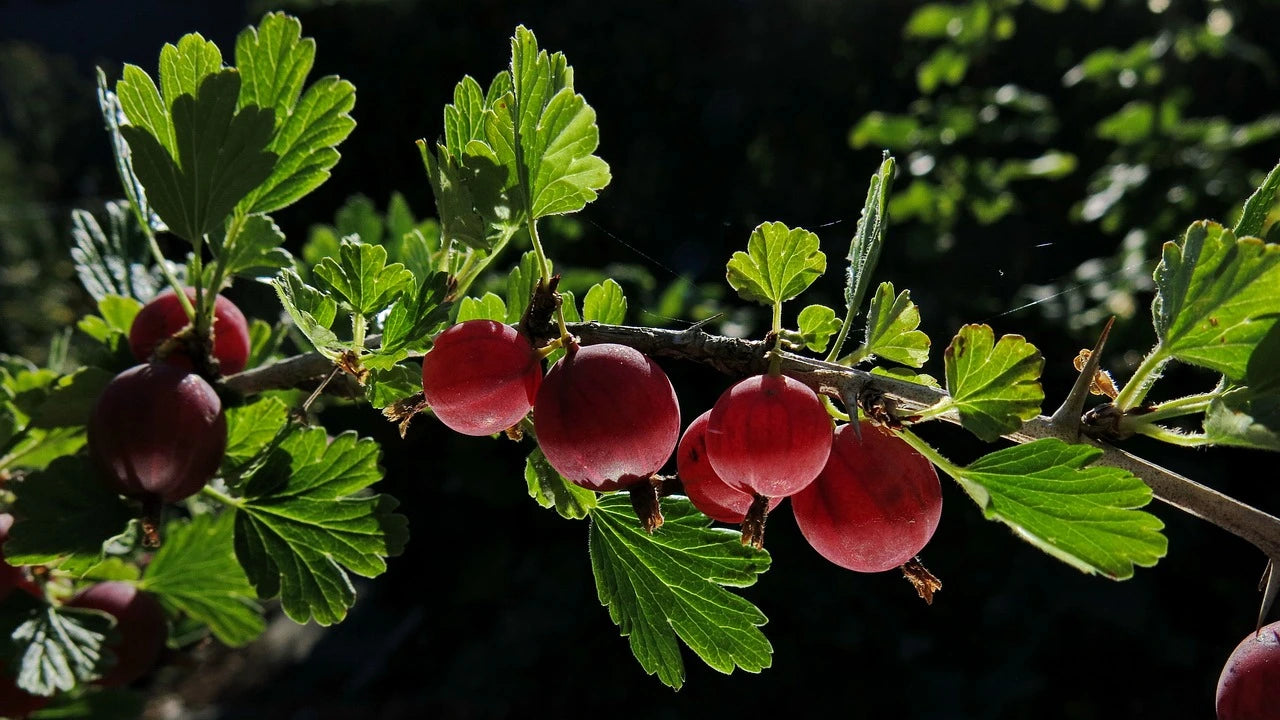
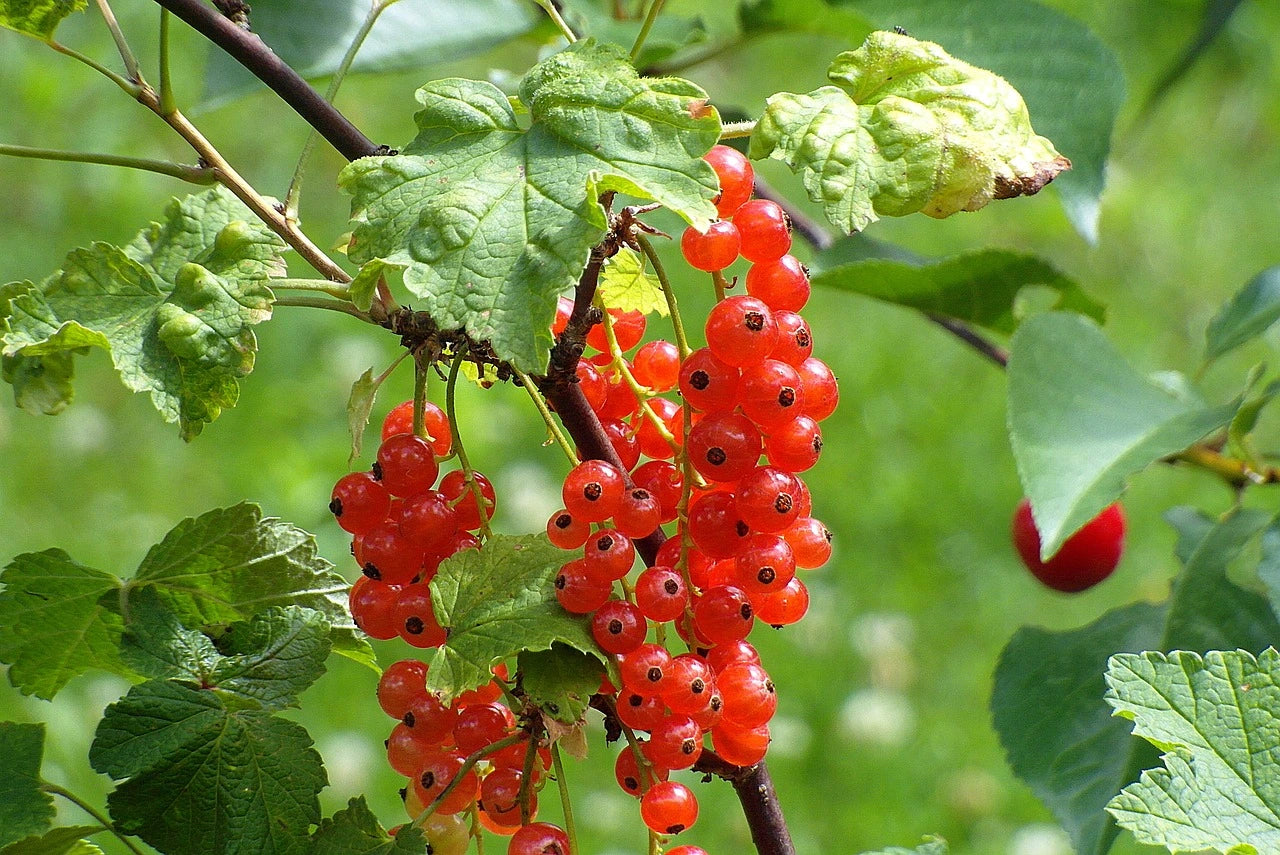
Gooseberry (Ribes uva-crispa) is a thorny shrub native to the Caucasus and northern Ukraine, growing between 50 cm and 1.5 metres in height . Its fruits, called gooseberries, are oval berries 1.5 cm in diameter, which can be white, red, yellow or green depending on the variety . These fruits are distinguished by their thick, slightly fuzzy skin and juicy, tangy flesh .
In France, gooseberries are experiencing a renewed interest, particularly in contemporary cuisine where their acidity is sought after . Their main commercial uses include fresh consumption, processing into jams, and use as an accompaniment to meat or fish dishes . Additionally, these berries are valued for their nutritional benefits, being rich in vitamins C, A and B, as well as minerals such as calcium and potassium . Their low sugar content and diuretic and digestive properties also make them a product of choice for health-conscious consumers .
Evolution of the French market
The French gooseberry market has seen mixed trends in recent years. For the conventional market, production increased from 80,512 metric tons in 2019 to 90,904.3 metric tons in 2021 . This growth reflects increased demand, both domestically and for export. However, the organic sector has faced challenges. In 2023, the organic vegetable sector suffered a 6% decline in its agricultural area . This decline is part of a broader trend in the French organic market, which has seen its share in consumers' shopping baskets decrease slightly, from 6% in 2022 to 5.6% in 2023, mainly due to inflation .
Key points:
- Increase in conventional gooseberry production
- Decline in organic vegetable farming areas
- Slight drop in the share of organic products in consumption
- Inflation impacting organic products less (+8%) than conventional products (+12%)
- Growth in direct sales (+9% in 2023), reaching 14% of the organic market
Current market status
The French gooseberry market is currently experiencing moderate growth, reflecting trends in the European market, which dominates global production with a 90% market share. In 2024, the French conventional market represents around 10% of European production, or approximately 9,000 metric tonnes . Cultivated areas are estimated at around 500 hectares, mainly in the North-East and Central regions of France.
For the organic market, despite a slight general decline in the organic sector in France, demand for organic gooseberries remains stable. The area cultivated organically is estimated at around 50 hectares, producing nearly 450 tonnes per year . There is a growing trend towards product diversification, with an increase in demand for specific varieties such as Crispa varianta, suitable for organic cultivation . Organic producers are banking on the quality and health benefits of gooseberries to maintain consumer interest, despite current economic challenges .
Favorable regions and terroirs
The main gooseberry-producing regions in France are the Northeast (Grand Est, Hauts-de-France) and the Centre-Val de Loire. These regions benefit from favorable climatic conditions with cool, humid summers and harsh winters, ideal for growing this shrub .
Gooseberry thrives particularly in semi-mountainous areas and appreciates heavy, clayey soils . Producing regions generally offer:
- A temperate climate with good summer rainfall
- Deep, fresh soils rich in organic matter
- A sunny or partially shaded location, protected from strong winds
- Low winter temperatures, promoting plant dormancy
These specific conditions explain the concentration of production in these regions, where market gardeners can optimize their yields while benefiting from a terroir conducive to the quality of the fruit .
Varieties and cultivation techniques
The main gooseberry varieties grown in France include ' Germania ' (early red fruits), ' Varianta ' (tart golden fruits), and ' Freedonia ' (thornless, burgundy-red fruits) . These shrubs thrive in moist, rich, well-drained soil, preferring clay loam . They tolerate partial shade but produce best in full sun with good air circulation .
The recommended planting density is approximately 1.20 m between plants . Irrigation is crucial, especially during times of drought . Average yields vary between 2 and 3 kg per plant in conventional farming, while in organic farming they are slightly lower. Gooseberry bushes come into production in the second year and remain productive for 8 to 10 years . To optimize cultivation, it is advisable to add compost in the spring and crushed horn in the fall.
Trade and international competition
France occupies a modest position in the international gooseberry market, with production primarily intended for domestic consumption. Europe dominates the global market, accounting for 90% of total production, with Russia, Ukraine, and the United Kingdom as the main producers.
French gooseberry imports come mainly from neighboring European countries, notably the Netherlands, Germany, and Poland. Although exact import volumes are not specified, they remain relatively small compared to domestic production. These imports have a limited impact on French production, as they mainly supplement local supply during off-season periods. However, competition from imported products encourages French producers to differentiate themselves by focusing on quality, local varieties, and sustainable production methods to maintain their position in the national market.
Development opportunities
The gooseberry market offers interesting opportunities for French producers, both in the conventional and organic sectors. In the conventional sector, the growing demand for natural and functional products is paving the way for a diversification of offers, particularly towards gooseberry extracts used in the food and cosmetics industries . Producers can explore new industrial opportunities, such as the production of standardized extracts for food supplements and nutraceuticals .
For the organic market, despite a slight slowdown, the outlook remains promising. The trend towards organic and sustainable production methods meets the expectations of environmentally conscious consumers . Organic producers can benefit from institutional support for converting to and maintaining organic farming. In addition, the growing demand for organic ready-to-eat (RTE) and ready-to-eat (RTE) products offers opportunities for developing new organic gooseberry-based products .
Profitability and financial aid
Gooseberry production offers interesting economic potential for French market gardeners. Conventionally grown, the average yield varies from 2 to 4 kg per plant per year, with an average selling price of 14 to 20 euros per kg for fresh produce . For organic crops, the yield is slightly lower, 1 to 2 kg per plant . However, the profitability of organic production is supported by specific aid, in particular conversion aid and maintenance aid .
In terms of profitability, gooseberry cultivation compares favorably with other crops. Gross margins can reach 700-1000 kg per 1000 m² per year, which is competitive compared with other market garden crops. To support this sector, the government has put in place aid schemes, including a €105 million budget in 2024 for organic farming . Producers can also benefit from an organic tax credit increased to €3,500, as well as regional aid for certification, installation and investments .
Sector challenges and risks
The gooseberry market, both conventional and organic, faces several challenges. The volatility of agricultural prices, a characteristic of agricultural markets, represents a major risk for producers by depriving them of the visibility necessary to increase their investments . This instability is particularly pronounced for sectors with low potential, where the increase in production costs can vary from €37 to €87/t depending on the scenarios .
The organic market faces multiple constraints. Strict regulations and high production costs can make it difficult for organic farms to achieve economic stability, as they experience lower yields than conventional agriculture . In addition, the risk of trivialization in the eyes of consumers and increased competition from new regulatory constraints imposed on conventional products threaten the differentiation of organic products . The loss of consumer confidence and the possible disappearance of specialist distribution also constitute serious threats to the organic sector .
Innovations and future prospects
The gooseberry sector is experiencing a promising dynamic of innovation. Research is underway to develop varieties that are more disease-resistant and better adapted to changing climatic conditions . The integration of agroecological practices, such as participatory selection involving farmers, is gaining ground to create more hardy and genetically diverse population varieties. These approaches aim to improve the resilience of crops to environmental stresses.
In the medium term, the market is expected to experience sustained growth, with projections reaching USD 1.92 billion by 2029 . This expansion will likely be driven by growing demand for natural and functional products, as well as the emergence of new opportunities in the food, cosmetics and nutraceutical industries . The emphasis on the health benefits of gooseberries, including their antioxidant properties, is expected to drive innovation in processed products and dietary supplements . The trend towards more sustainable agriculture and the demand for organic products could also influence the evolution of the market, with an expected growth of 3 to 5% in volume for the organic sector by 2025 .
Recommendations for market gardeners
The integration of gooseberry cultivation presents significant advantages for French market gardeners. This crop offers an interesting diversification with an attractive yield potential of 2 to 3 kg per plant in conventional farming . In addition, the growing demand for natural and functional products opens up new market opportunities .
However, the challenges are not insignificant. The crop requires special attention to irrigation, especially during periods of drought . Producers also have to deal with price volatility and competition from European imports .
Recommendations for market gardeners:
- Favor varieties adapted to the local terroir and resistant to diseases such as ' Varianta ' or ' Freedonia ' .
- Adopt agroecological practices to improve crop resilience and reduce costs.
- Explore processing and direct sales opportunities to increase added value .
- Consider organic conversion to benefit from specific aid and meet the growing demand for organic products .
- Invest in training and innovation to optimize cultivation and marketing techniques.
In conclusion, gooseberry cultivation can be a viable option for French market gardeners willing to invest in quality production and explore new markets. A strategic approach, combining innovation and sustainability, will be essential for success in this rapidly evolving sector.
Suppliers and professional advice
To obtain quality gooseberry plants or personalized advice for planting your plot, two specialized suppliers are at your disposal:
-
Bairiverse ( https://plantspetitsfruits.com/ ): Wholesale supplier offering a wide range of small fruit plants, including gooseberries. They offer plants in various formats (mini-plugs, pots, pots) adapted to the needs of professionals . Their customer service is responsive, with a response within 48 hours .
-
Vegetable Econome ( https://economealegumes.fr/ ): Trader in plants and plant material, offering decreasing prices according to volume and direct delivery to your farm . They have an organic and conventional range, and their sales team is available for personalized advice.
These two companies offer technical expertise and support to optimize your gooseberry production, from varietal selection to planting .