The blueberry market in France continues to grow rapidly, driven by diverse demand ranging from fresh consumption to processing into food products, cosmetics, and dietary supplements. Despite domestic production still being insufficient to meet consumption, opportunities for local producers are multiplying thanks to the increase in cultivated areas, varietal innovations, and financial support, while also facing the challenges of international competition and the specific requirements of this crop.
Blueberry and its fruits
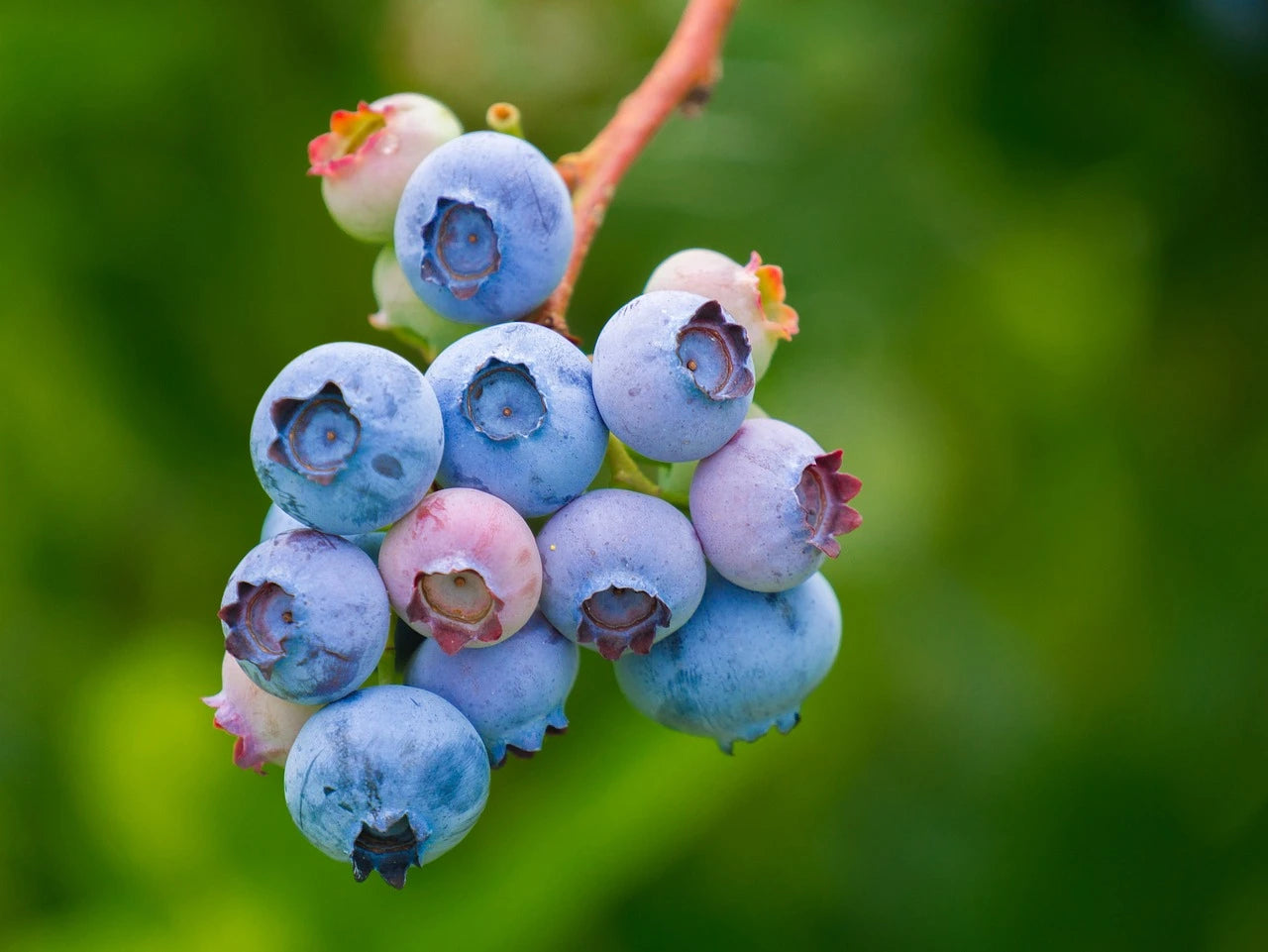
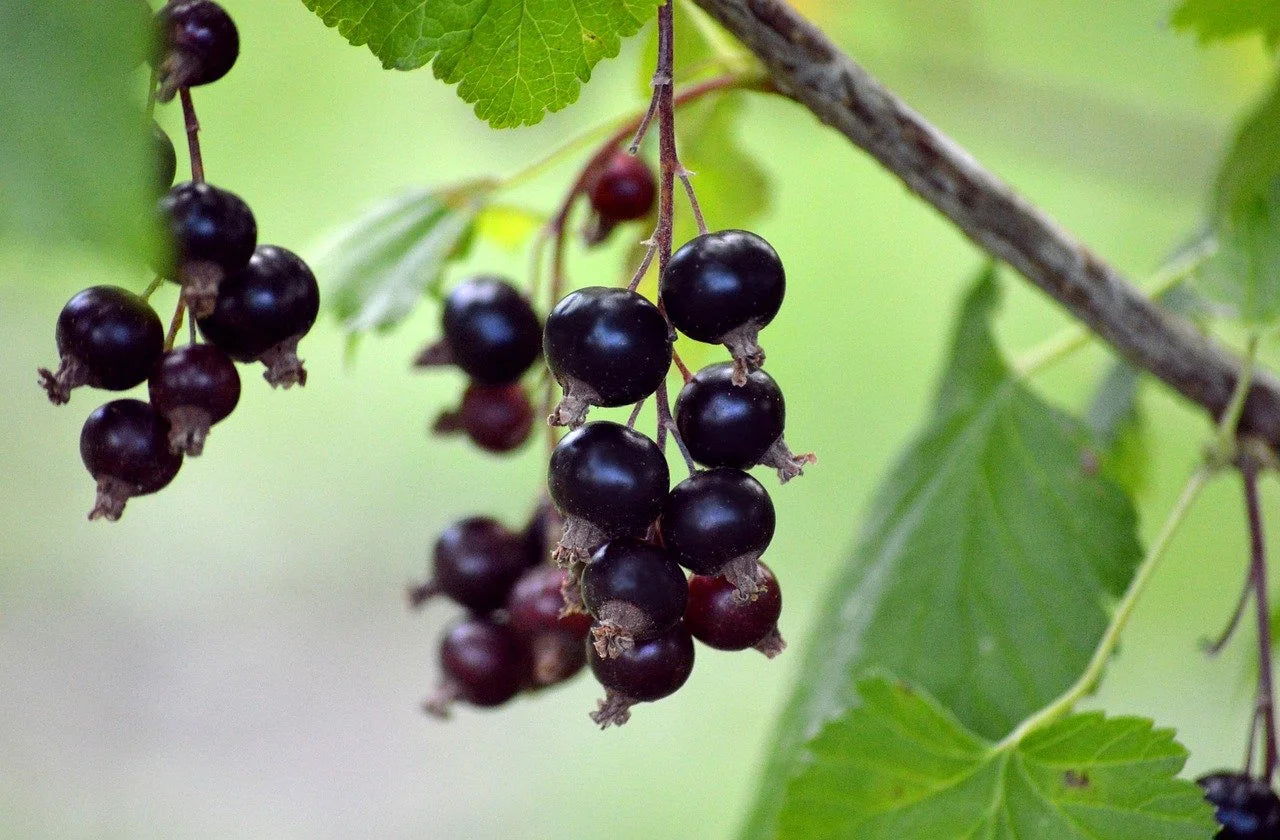
The blueberry (Vaccinium myrtillus) is a subshrub of the Ericaceae family, producing small blue-purple berries called bilberries . These fruits, with a mild and slightly sweet flavor, are rich in antioxidants and nutrients . In France, the main commercial uses of blueberries include:
- Fresh consumption, very popular in summer
- Transformation into dried products for infusions and pastries
- Use as an ingredient in the food and beverage industry
- The production of food supplements and cosmetic products, exploiting their antioxidant properties
- The production of blueberry wines, taking advantage of their natural bloom
The growing demand for these varied uses is stimulating the development of the blueberry industry in France, offering new perspectives to producers .
Evolution of the French market
The French blueberry market has experienced significant growth in recent years, both in the conventional and organic sectors. In 2022, the total production area increased by 6%, reflecting the growing interest of producers . The conventional market has seen a steady increase in volumes, driven by increased consumer demand, with consumption increasing sixfold in volume since 2017 .
For the organic market, despite a general downward trend in other agricultural sectors, organic blueberries are maintaining their momentum. Les Jardins Bio du Médoc, for example, cultivate 100,000 blueberry bushes on 28 hectares, illustrating the growth potential of the organic sector . However, national production remains insufficient, with France producing only 11% of its total blueberry consumption, which leaves significant room for future market development, both conventional and organic.
Current market status
The French blueberry market will continue to grow in 2025, with an increase in cultivated areas and production volumes. In the conventional sector, national production reaches around 5,000 tonnes, now covering almost 15% of total consumption . Cultivated areas increased by around 8% compared to 2022, reaching nearly 1,200 hectares .
For the organic market, despite a general slowdown in the organic sector, blueberries are holding up better than other crops. Certified organic areas increased by 3% in 2024, while areas in conversion decreased by 37% . Demand remains strong, particularly through short supply chains and direct sales, which have grown by 9% . However, sales in large-scale distribution have fallen by 3.8%, reflecting a general trend in the organic market to favor local channels.
French regions and terroirs
The main blueberry-producing regions in France are Ardèche, Lozère, Vosges, the Alps and Brittany . Ardèche stands out as the leading producer of wild blueberries, where production extends over a third of the department, mainly in the Monts d'Ardèche Regional Natural Park .
Regional specificities favorable to blueberry cultivation include:
- An acidic soil with a pH between 4.5 and 6, typical of granite or schist soils
- An altitude generally above 600 meters, although some varieties can be grown at lower altitudes
- A cool, sunny climate, with a preference for partial shade in more southern regions
- Well-drained, light soils rich in organic matter
These conditions are particularly present in mountain ranges and areas with granite subsoil, explaining the concentration of production in these regions .
Blueberry cultivation
The main blueberry varieties grown in France include Bluecrop , Duke , Draper and Liberty . These plants require acidic soil (pH 4.5-5.5), well-drained and rich in organic matter . Regular irrigation is crucial, with 7-10 mm of water per day in summer . The recommended planting density is approximately 2000 plants per hectare .
Average yields vary between 8-9 tonnes/ha in conventional farming and slightly less in organic farming . Blueberry bushes come into production 2-3 years after planting and can remain productive for 30 to 50 years with proper maintenance . The shrub tolerates temperatures between 20-26°C, with a maximum of 35°C . Regular mulching and organic fertilization are essential to maintain soil acidity and promote optimal growth .
Trade and international competition
France occupies a modest position in the international blueberry market, representing only 0.1% of global production in 2021 with around 2,000 tonnes produced . This limited production only covers 13% of national needs, forcing the country to import massively to meet growing demand .
French blueberry imports come mainly from Spain (45%) and Morocco (21%), followed by Peru and Chile which together represent 8% of imports, especially for winter demand . Imported volumes have experienced tremendous growth, with an increase of 743% between 2003 and 2023 . This strong dependence on imports has a significant impact on French production, creating intense competition on the national market, particularly in terms of price and availability throughout the year .
The competitive impact of imports is particularly felt during the French production season. Even in the height of summer, 75% of blueberries consumed in June are imported, 50% in July and almost a third in August . This situation presents both a challenge and an opportunity for French producers, who must stand out through the quality and freshness of their local products to conquer a larger share of the expanding national market.
Opportunities for French producers
The French blueberry market offers significant opportunities for local producers, both in the conventional and organic sectors. In the conventional market, the development potential is considerable, with French consumption remaining modest at only 150 grams per year per capita, compared to 700 grams in Germany and 1.3 kg in the United States . This margin of progression represents a real growth opportunity for French producers.
For the organic market, despite a general slowdown in the sector, organic blueberries are maintaining their momentum, notably thanks to growing demand via short supply chains and direct sales, which have grown by 9% . Producers can benefit from institutional support for converting to organic and meeting specific consumer expectations in terms of quality and traceability. Diversification into processed blueberry products, such as food supplements and cosmetics, also offers promising opportunities for French producers, taking advantage of the antioxidant properties of this fruit .
Profitability and financial aid
Blueberry production in France presents significant differences between conventional and organic methods. The cost of organic production is generally higher, but this difference is offset by higher sales prices . Soilless cultivation allows for maintaining high yield potential over the long term, offering an attractive opportunity for growers .
To support the development of the sector, several aid schemes are available. Organic processing and marketing companies can benefit from public aid from various financiers such as Regional Councils, Water Agencies, ADEME and FranceAgriMer . Specific aid exists for conversion to organic farming, market gardening and the eco-regime . In addition, FranceAgriMer's orchard renovation program offers subsidies for land preparation, planting and the purchase of seedlings, with aid limited to 40 hectares per farm and 30 hectares per species .
Sector challenges and risks
The blueberry market in France faces several significant challenges. In the conventional sector, international competition, particularly from Morocco and Spain, is exerting significant pressure on prices . French producers also have to face increasing phytosanitary risks, with diseases such as grey mold, powdery mildew and root rot affecting 66%, 45% and 39% of farms respectively .
For the organic market, constraints are linked to higher production costs and strict regulations. Organic certification and required cultivation practices increase costs, while competition intensifies with the arrival of new players on the market . In addition, organic producers face specific challenges such as pest management without synthetic pesticides, notably Aphis spp. which affects 82% of farms . Demand volatility, influenced by economic factors such as inflation, also represents a significant risk for all producers .
Innovations and future perspectives
The blueberry sector in France is experiencing significant advances in innovation and research. Efforts are being made to develop varieties that are more disease-resistant and better adapted to local climatic conditions. Agroecological practices are gaining ground, including the exploration of wild blueberry cultivation as a sustainable and profitable alternative . This approach, requiring few inputs and offering limited production costs, is part of an ecological approach while meeting the growing demand for local and natural products.
In the medium term, the French blueberry market is expected to continue its growth, driven by increased consumer demand for healthy, antioxidant-rich foods. Estimates suggest that the European blueberry market size could reach USD 12.40 billion by 2029 . For French producers, this represents an opportunity to develop new outlets, particularly in the food supplement and cosmetics sectors, while strengthening their position on the domestic market in the face of international competition . Adopting sustainable practices and investing in improved varieties will be crucial to meeting this growing demand while maintaining the quality and competitiveness of French production.
Market gardening opportunities and strategies
Blueberry cultivation presents interesting opportunities for French market gardeners, but requires careful consideration before embarking on it.
Benefits :
- Fast-growing market with increasing consumer demand
- Potential for diversification of income and outlets (fresh, processed, cosmetics)
- Perennial crop that can remain productive for 30 to 50 years
Disadvantages:
- High initial investment (around €26,000/ha)
- Specific soil and climate requirements
- Strong international competition, particularly from Spain and Morocco
Recommendations:
- Carefully assess the soil and climate conditions of your farm
- Favor varieties adapted to your region and the targeted marketing channels
- Consider soilless cultivation to overcome soil constraints
- Focus on quality and freshness to stand out from imports
- Explore opportunities in organic farming and short supply chains
- Find out about the assistance available for organic installation and conversion
A thorough analysis of the local market and your investment capabilities is crucial before embarking on this demanding but potentially profitable crop.
Blueberry plant suppliers
For market gardeners and professional producers looking for quality blueberry plants or advice on planting a plot, two specialist suppliers stand out on the French market:
- Bairiverse ( https://plantspetitsfruits.com/ ): Wholesale supplier offering a wide range of small fruit plants, including blueberries, in different formats (mini-plugs, pots, pots). They offer organic and conventional plants, with a responsive sales service and fast delivery throughout France .
- Econome à Légumes ( https://economealegumes.fr/ ): Trader in plants and plant material, specializing in the supply of plants for French professional producers. They offer decreasing prices according to volume and ensure direct delivery to the farm .
Both companies offer not only quality plants, but also personalized technical support, from variety selection to growing advice. Their expertise can be invaluable in optimizing your blueberry production and maximizing your profitability .