
Blueberry Pot for professional Growers
Buy now and get it delivered when you're ready to plant
-
Blue one Blueberry P9 pot - plant for Growers
Regular price €1,49 EURRegular priceUnit price per -
Bluecrop Blueberry P9 pot - plant for Growers
Regular price €1,49 EURRegular priceUnit price per -
Chandler Blueberry P9 pot - plant for Growers
Regular price €1,49 EURRegular priceUnit price per -
Collins Blueberry P9 pot - plant for Growers
Regular price €1,49 EURRegular priceUnit price per -
Darrow Blueberry P9 pot - plant for Growers
Regular price €1,49 EURRegular priceUnit price per -
Duke Blueberry P9 pot - plant for Growers
Regular price €1,49 EURRegular priceUnit price per -
Elisabeth Blueberry P9 pot - plant for Growers
Regular price €1,49 EURRegular priceUnit price per -
Jersey atlantic Blueberry P9 pot - plant for Growers
Regular price €1,49 EURRegular priceUnit price per -
Legacy Blueberry P9 pot - plant for Growers
Regular price €1,49 EURRegular priceUnit price per -
O'neal Blueberry P9 pot - plant for Growers
Regular price €1,49 EURRegular priceUnit price per -
Patriot Blueberry P9 pot - plant for Growers
Regular price €1,49 EURRegular priceUnit price per -
Pink lemonade Blueberry P9 pot - plant for Growers
Regular price €1,49 EURRegular priceUnit price per


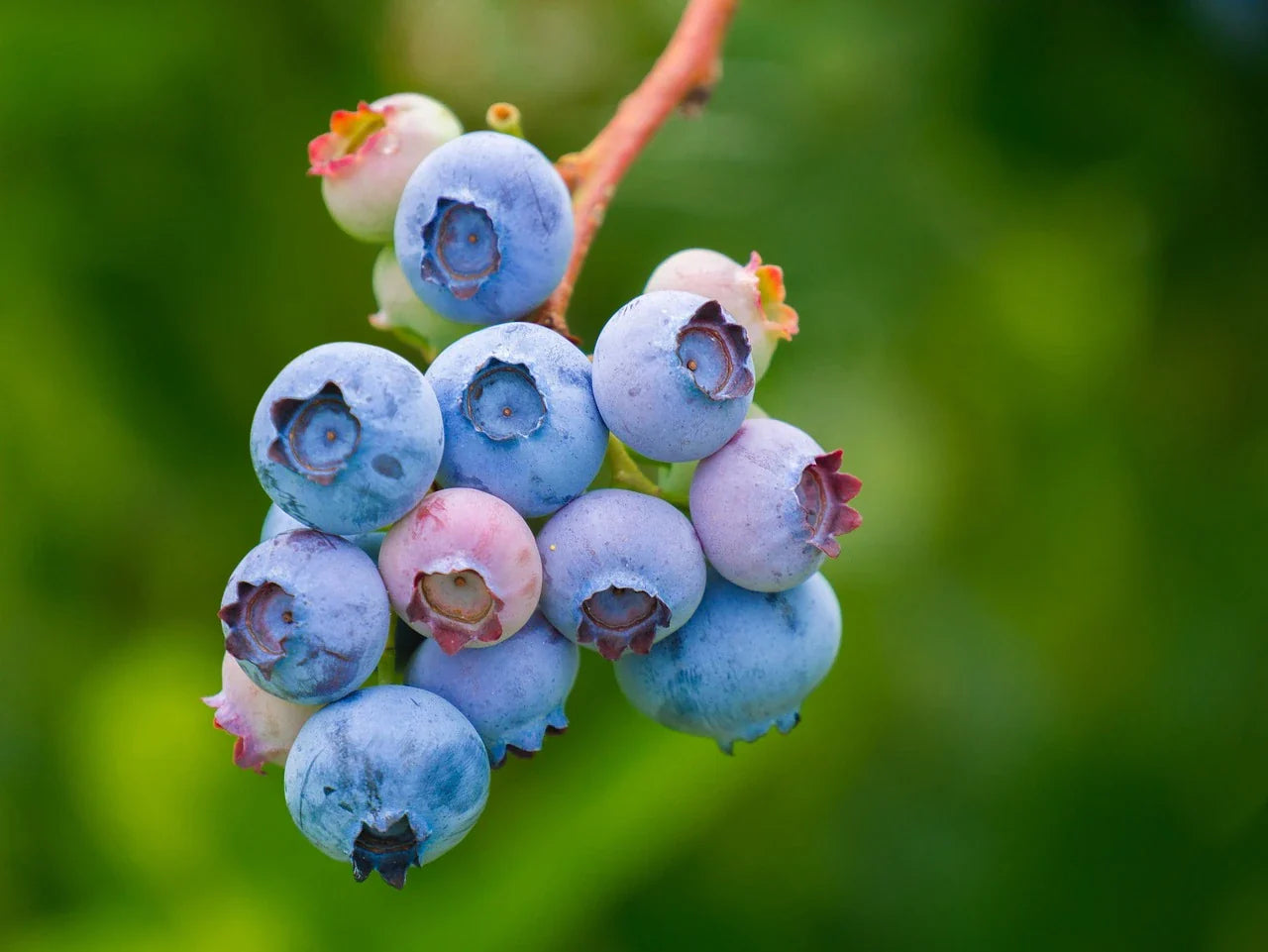
French Blueberry Market in 2025
The blueberry market in France continues to grow rapidly, driven by diverse demand ranging from fresh consumption to processing into food products, cosmetics, and dietary supplements. Despite domestic production still being insufficient to meet consumption, opportunities for local producers are multiplying thanks to the increase in cultivated areas, varietal innovations, and financial support, while also facing the challenges of international competition and the specific requirements of this crop.
Blueberry and its fruits
The blueberry (Vaccinium myrtillus) is a subshrub of the Ericaceae family, producing small blue-purple berries called bilberries . These fruits, with a mild and slightly sweet flavor, are rich in antioxidants and nutrients . In France, the main commercial uses of blueberries include:
- Fresh consumption, very popular in summer
- Transformation into dried products for infusions and pastries
- Use as an ingredient in the food and beverage industry
- The production of food supplements and cosmetic products, exploiting their antioxidant properties
- The production of blueberry wines, taking advantage of their natural bloom
The growing demand for these varied uses is stimulating the development of the blueberry industry in France, offering new perspectives to producers .
Evolution of the French market
The French blueberry market has experienced significant growth in recent years, both in the conventional and organic sectors. In 2022, the total production area increased by 6%, reflecting the growing interest of producers . The conventional market has seen a steady increase in volumes, driven by increased consumer demand, with consumption increasing sixfold in volume since 2017 .
For the organic market, despite a general downward trend in other agricultural sectors, organic blueberries are maintaining their momentum. Les Jardins Bio du Médoc, for example, cultivate 100,000 blueberry bushes on 28 hectares, illustrating the growth potential of the organic sector . However, national production remains insufficient, with France producing only 11% of its total blueberry consumption, which leaves significant room for future market development, both conventional and organic.
Current market status
The French blueberry market will continue to grow in 2025, with an increase in cultivated areas and production volumes. In the conventional sector, national production reaches around 5,000 tonnes, now covering almost 15% of total consumption . Cultivated areas increased by around 8% compared to 2022, reaching nearly 1,200 hectares .
For the organic market, despite a general slowdown in the organic sector, blueberries are holding up better than other crops. Certified organic areas increased by 3% in 2024, while areas in conversion decreased by 37% . Demand remains strong, particularly through short supply chains and direct sales, which have grown by 9% . However, sales in large-scale distribution have fallen by 3.8%, reflecting a general trend in the organic market to favor local channels.
French regions and terroirs
The main blueberry-producing regions in France are Ardèche, Lozère, Vosges, the Alps and Brittany . Ardèche stands out as the leading producer of wild blueberries, where production extends over a third of the department, mainly in the Monts d'Ardèche Regional Natural Park .
Regional specificities favorable to blueberry cultivation include:
- An acidic soil with a pH between 4.5 and 6, typical of granite or schist soils
- An altitude generally above 600 meters, although some varieties can be grown at lower altitudes
- A cool, sunny climate, with a preference for partial shade in more southern regions
- Well-drained, light soils rich in organic matter
These conditions are particularly present in mountain ranges and areas with granite subsoil, explaining the concentration of production in these regions .
Blueberry cultivation
The main blueberry varieties grown in France include Bluecrop , Duke , Draper and Liberty . These plants require acidic soil (pH 4.5-5.5), well-drained and rich in organic matter . Regular irrigation is crucial, with 7-10 mm of water per day in summer . The recommended planting density is approximately 2000 plants per hectare .
Average yields vary between 8-9 tonnes/ha in conventional farming and slightly less in organic farming . Blueberry bushes come into production 2-3 years after planting and can remain productive for 30 to 50 years with proper maintenance . The shrub tolerates temperatures between 20-26°C, with a maximum of 35°C . Regular mulching and organic fertilization are essential to maintain soil acidity and promote optimal growth .
Trade and international competition
France occupies a modest position in the international blueberry market, representing only 0.1% of global production in 2021 with around 2,000 tonnes produced . This limited production only covers 13% of national needs, forcing the country to import massively to meet growing demand .
French blueberry imports come mainly from Spain (45%) and Morocco (21%), followed by Peru and Chile which together represent 8% of imports, especially for winter demand . Imported volumes have experienced tremendous growth, with an increase of 743% between 2003 and 2023 . This strong dependence on imports has a significant impact on French production, creating intense competition on the national market, particularly in terms of price and availability throughout the year .
The competitive impact of imports is particularly felt during the French production season. Even in the height of summer, 75% of blueberries consumed in June are imported, 50% in July and almost a third in August . This situation presents both a challenge and an opportunity for French producers, who must stand out through the quality and freshness of their local products to conquer a larger share of the expanding national market.
Opportunities for French producers
The French blueberry market offers significant opportunities for local producers, both in the conventional and organic sectors. In the conventional market, the development potential is considerable, with French consumption remaining modest at only 150 grams per year per capita, compared to 700 grams in Germany and 1.3 kg in the United States . This margin of progression represents a real growth opportunity for French producers.
For the organic market, despite a general slowdown in the sector, organic blueberries are maintaining their momentum, notably thanks to growing demand via short supply chains and direct sales, which have grown by 9% . Producers can benefit from institutional support for converting to organic and meeting specific consumer expectations in terms of quality and traceability. Diversification into processed blueberry products, such as food supplements and cosmetics, also offers promising opportunities for French producers, taking advantage of the antioxidant properties of this fruit .
Profitability and financial aid
Blueberry production in France presents significant differences between conventional and organic methods. The cost of organic production is generally higher, but this difference is offset by higher sales prices . Soilless cultivation allows for maintaining high yield potential over the long term, offering an attractive opportunity for growers .
To support the development of the sector, several aid schemes are available. Organic processing and marketing companies can benefit from public aid from various financiers such as Regional Councils, Water Agencies, ADEME and FranceAgriMer . Specific aid exists for conversion to organic farming, market gardening and the eco-regime . In addition, FranceAgriMer's orchard renovation program offers subsidies for land preparation, planting and the purchase of seedlings, with aid limited to 40 hectares per farm and 30 hectares per species .
Sector challenges and risks
The blueberry market in France faces several significant challenges. In the conventional sector, international competition, particularly from Morocco and Spain, is exerting significant pressure on prices . French producers also have to face increasing phytosanitary risks, with diseases such as grey mold, powdery mildew and root rot affecting 66%, 45% and 39% of farms respectively .
For the organic market, constraints are linked to higher production costs and strict regulations. Organic certification and required cultivation practices increase costs, while competition intensifies with the arrival of new players on the market . In addition, organic producers face specific challenges such as pest management without synthetic pesticides, notably Aphis spp. which affects 82% of farms . Demand volatility, influenced by economic factors such as inflation, also represents a significant risk for all producers .
Innovations and future perspectives
The blueberry sector in France is experiencing significant advances in innovation and research. Efforts are being made to develop varieties that are more disease-resistant and better adapted to local climatic conditions. Agroecological practices are gaining ground, including the exploration of wild blueberry cultivation as a sustainable and profitable alternative . This approach, requiring few inputs and offering limited production costs, is part of an ecological approach while meeting the growing demand for local and natural products.
In the medium term, the French blueberry market is expected to continue its growth, driven by increased consumer demand for healthy, antioxidant-rich foods. Estimates suggest that the European blueberry market size could reach USD 12.40 billion by 2029 . For French producers, this represents an opportunity to develop new outlets, particularly in the food supplement and cosmetics sectors, while strengthening their position on the domestic market in the face of international competition . Adopting sustainable practices and investing in improved varieties will be crucial to meeting this growing demand while maintaining the quality and competitiveness of French production.
Market gardening opportunities and strategies
Blueberry cultivation presents interesting opportunities for French market gardeners, but requires careful consideration before embarking on it.
Benefits :
- Fast-growing market with increasing consumer demand
- Potential for diversification of income and outlets (fresh, processed, cosmetics)
- Perennial crop that can remain productive for 30 to 50 years
Disadvantages:
- High initial investment (around €26,000/ha)
- Specific soil and climate requirements
- Strong international competition, particularly from Spain and Morocco
Recommendations:
- Carefully assess the soil and climate conditions of your farm
- Favor varieties adapted to your region and the targeted marketing channels
- Consider soilless cultivation to overcome soil constraints
- Focus on quality and freshness to stand out from imports
- Explore opportunities in organic farming and short supply chains
- Find out about the assistance available for organic installation and conversion
A thorough analysis of the local market and your investment capabilities is crucial before embarking on this demanding but potentially profitable crop.
Blueberry plant suppliers
For market gardeners and professional producers looking for quality blueberry plants or advice on planting a plot, two specialist suppliers stand out on the French market:
- Bairiverse ( https://plantspetitsfruits.com/ ): Wholesale supplier offering a wide range of small fruit plants, including blueberries, in different formats (mini-plugs, pots, pots). They offer organic and conventional plants, with a responsive sales service and fast delivery throughout France .
- Econome à Légumes ( https://economealegumes.fr/ ): Trader in plants and plant material, specializing in the supply of plants for French professional producers. They offer decreasing prices according to volume and ensure direct delivery to the farm .
Both companies offer not only quality plants, but also personalized technical support, from variety selection to growing advice. Their expertise can be invaluable in optimizing your blueberry production and maximizing your profitability .
Which blueberry variety should you choose? Characteristics and uses of blueberries
How to choose your blueberry variety?
Do you want to plant blueberries on your plot but don't know which blueberry variety to choose? This blueberry variety guide lists the main varieties along with their characteristics and uses. For sale on the farm or for processing? There's something for everyone.
If you are looking for another variety of Blueberry, do not hesitate to contact us: contact us
Our range of Blueberries:
Organic Blueberry Range for Professionals
Conventional Blueberry Range for Professionals
Blueberry Variety Guides:
| Variety | Color of the Fruits |
Remontante | Precocity | Productivity | Fruit Size / Shape | Disease Resistance / Hardiness | Fruiting Period | Taste | Self-fertile | Need in cold |
|---|---|---|---|---|---|---|---|---|---|---|
| Izabel | Blueness | No Uplifting |
Rather ornamental variety, classic |
|||||||
| Blue Gold | Light blue | No Uplifting |
Mid-season | Good performance | Midsized | Good disease resistance | End of July to end of August | Self-fertile variety | ||
| Goldtraube 71 | Blueness | No Uplifting |
Mid-season | Excellent productivity, abundant fruiting | Small fruits | Rustic, good resistance | July to early August | Self-fertile variety | ||
| Jersey / Atlantic | Blueness | No Uplifting |
Mid-season | Good performance | Small fruits | Good resistance to cold. Very rustic and vigorous |
July to early August | Very sweet | Self-fertile variety | |
|
Blue Pearl |
Blueness | No Uplifting |
Mid-season | Low yield. Ornamental blueberry | Small fruits | July to early August | Excellent taste quality | |||
| Bluecrop | Blueness | No Uplifting |
Mid-season | High productivity | Medium to large | Average vigor | Mid-July to End of August | The most widely planted variety in the world. Recognized taste |
Self-fertile variety | |
| Drape | Blueness | No Uplifting |
Mid-season | Very productive | Very large caliber | Average vigor. Avoid planting them in regions with very severe winters |
Mid-July to End of August | Excellent taste quality. Very little scarring after harvest |
Self-fertile variety | High-Chill |
| Calypso | Blueness | No Uplifting |
Mid-Late | Very productive | Large caliber | Very vigorous | Mid-August to Early September | Excellent taste quality, fruit very firm |
Self-fertile variety | High Chill |
| Chandler | Blueness | No Uplifting |
Mid-Late | Classic yield. Perfect for picking. at the farm or pick your own |
One of the varieties with the most large caliber. Uniform caliber |
Vigorous | July to End of August | Good Aroma | High-Chill | |
| Gupton | Blueness | No Uplifting |
Mid-Late | Good yield. Very firm therefore. perfect for mechanical harvesting |
Large caliber | Hardiness and medium resistance | August | Sweet and very firm | ||
| Duke | Blueness | No Uplifting |
Early | Very productive, perfect for mechanized harvesting |
Large fruits | Very cold-resistant variety | End of June to beginning of July | Self-fertile variety | High-Chill | |
| Blue one | Blueness | No Uplifting |
Early | Doesn't compete with the Duke | Large caliber | Good vigor | End of June to beginning of July | More aromatic than Duke | Self-fertile variety | High-Chill |
| Humming-bird | Blueness | No Uplifting |
Early | Classic performance | Classic. Firm fruit. Not very sensitive. to handling. They present little scars during harvesting |
Vigorous. Low cooling requirements. Storage possible for 3 weeks in positive cold |
End of June to mid-July | Excellent taste quality | Self-fertile variety. Produces pollen. in abundance |
|
|
Blue Dessert |
Blueness | No Uplifting |
Late | High yield | Caliber Medium to large | Vigorous and resistant to spring frosts |
End of August to beginning of September | Self-fertile variety but higher performance with cross-pollination |
||
| Darrow | Blueness | No Uplifting |
Late | Very productive | Very big at the start of the season. Decreases during the season |
Average vigor | Mid-July to early September | Excellent taste quality | Self-fertile variety but higher yield with cross-pollination |
High-Chill |
| Elizabeth | Blueness | No Uplifting |
Late | Classic performance | Good caliber | Good vigor. Recommended. for cold region |
Very aromatic | Self-fertile variety but yield superior with pollination crossed |
High-Chill | |
| Summer pasture | Blueness | No Uplifting |
Very early | Very productive | Small fruits | Classic | Mid-June to early July | Very aromatic. Reminiscent of wild blueberry |
Self-fertile variety but yield superior with cross-pollination |
|
| Aurora | Blueness | No Uplifting |
Very Late | Very good performance | Large fruits | Not susceptible to anthracnose on fruit |
September | Self-fertile variety but higher yield with cross-pollination |
||
| Mini-Blues | Blueness | No Uplifting |
Mid-season | Very productive variety. Harvest mechanized possible |
Small berries. Very firm flesh. Round and uniform fruit |
Mid-July to End of August | Very aromatic, powerful taste and intense blueberry |
Self-fertile variety but higher yield with cross-pollination |
High-Chill | |
|
Blue Ribbon |
Blueness | No Uplifting |
Mid-Early | High yielding variety | Large, firm, and tasty fruits | Good storage capacity. Plants with of good vigor |
Mid-July to End of August | Very suitable for the fresh market, sweet and fruity fruit |
Self-fertile variety but yield superior with pollination crossed |
Mid Chill |
|
Last Call |
Blueness | No Uplifting |
Very Late | High yield | Large berries | Variety that needs a lot of cold dormant to optimize its return potential |
Start to End of September | Suitable for processing and fresh, sweet and slightly aromatic |
Self-fertile variety but yield superior with pollination crossed |
High-Chill |
| Cargo | Blueness | No Uplifting |
Late | Ideal variety for mechanical harvesting. Very high yield but requires a pruning to stimulate fruiting during the season |
Upright plant. Firm fruit. | Retains its firmness even after storage in a fridge or freezer |
August to early September | Mild flavor and juicy texture | Self-fertile variety but yield superior with cross-pollination |
High Chill |
| Gupton | Light blue | No Uplifting |
Mid-Late | Performance higher than Star, high yield |
Large light blue fruits | Variety with good vigor | Start to mid-July | Sweet and very firm fruit | Self-fertile variety but yield superior with pollination crossed |
Low Chill |
|
New Hanover |
Blueness | No Uplifting |
Mid-Season | Recommended for hand picking. High yield |
Large fruits | Very good storage capacity. Vigorous variety |
Mid-July to August | Excellent taste quality. Firm and tasty |
Self-fertile variety but yield superior with pollination crossed |
Low Chill |
|
Alix Blue |
Blueness | No Uplifting |
Very Early | Very productive. Maintains productivity. over the years |
Good firmness, good-sized fruit | Variety of excellent vigor | End of May to mid-June | Good taste quality | Self-fertile variety but higher yield with cross-pollination |
Low-Chill |
|
Blue Pearl |
Blueness | No Uplifting |
Mid-Late | Very productive variety | Beautiful blueberry. Fairly large fruit. Firm. | Hardy variety | July to Early September | Juicy and fragrant flesh, slightly acidic. Perfect for transformation into dessert or jam |
Self-fertile variety but yield superior with pollination crossed |
Low Chill |
| Legacy | Blueness | No Uplifting |
Mid-Late | Very high yielding variety | Medium-sized fruit | One of the varieties with the best shelf life |
End of July to mid-August | Good taste quality | Self-fertile variety but yield superior with pollination crossed |
Low-Chill |
| Ozarkblue | Blueness | No Uplifting |
Late | Very productive variety | Large fruit | Very good preservation. Keeps its firmness during storage |
End of August to beginning of September | Variety with a 'high-end' flavor very tasty. Sweet and very aromatic |
Self-fertile variety but yield superior with pollination crossed |
Mid-Chill |
| Osorno | Blueness | No Uplifting |
Mid-Season | Suitable for mechanical harvesting | Large-fruited variety | Not recommended for climates with very cold winters. Resists heat well. Better heat tolerance than Draper |
Mid-July to August | Fruit of excellent taste quality. Very large, light blue. Small scar. Extremely firm and crisp. Excellent flavor (balanced sugar/acid) |
Self-fertile variety but yield superior with pollination crossed |
|
| Valor | Blueness | No Uplifting |
Season | Good yield. Easy to pick. | Variety with large, very firm fruits | Very good resistance to cold and heavy soils |
July | Good taste quality. Flavor and firmness similar to Legacy. Acid at the beginning, the BRIX score (sugar level) increases with maturity |
Self-fertile variety but yield superior with pollination crossed |
High Chill |
|
Top Shelf |
Blueness | No Uplifting |
Mid-Season | Variety that has a yield raised from the earliest years |
Very large, firm fruits | Very vigorous plants. Easy to prune. Will adapt well to very cold climates |
Mid-July to August | Highly recommended for the market Fresh. Very sweet. Tasty and firm. |
Self-fertile variety but yield superior with pollination crossed |
High Chill |
| Liberty | Sky blue | No Uplifting |
Late | High yield. The berries detach very easily. Perfect for mechanical harvesting |
Large and firm fruit. Can become larger soft during periods of heavy weight prolonged heat |
Excellent shelf life so will fit wholesale |
Mid-August to September | Very good taste quality, very aromatic |
Self-fertile variety but yield superior with pollination crossed |
High-Chill |
| Katahdin | Blueness | No Uplifting |
Mid-Season | Performance between good and excellent. Slightly higher than Draper |
Bigger and firmer than Draper. Very small scar. Quality of fruit comparable to Draper |
Very good vigor. Good cold resistance |
Mid-July to End of August | Excellent taste quality | Self-fertile variety but yield superior with pollination crossed |
High-Chill |
| Collins | Fairly dark blue | No Uplifting |
Mid-Early | Quite productive variety | Fairly large fruit with a slightly flattened shape | Has the ability to adapt to different types of soil |
End of June to mid-July | Very aromatic with a taste slightly acidic. |
Self-fertile variety but yield superior with pollination crossed |
High-Chill |
| Reka | Blueness | No Uplifting |
Early | Very good production. Possible to harvest by machine. |
Fruit of good size if the plant is well pruned | Very vigorous. Adapts to unfavorable soil conditions |
Mid-June to early July | Natural wild blueberry flavor. Very sweet with great aromatic potential. Good sugar-acid balance |
Self-fertile variety but yield superior with pollination crossed |
High-Chill |
| Patriot | Light blue | No Uplifting |
Mid-Late | Variety that has a high yield | Very large fruits, very firm | Robust variety that will resist very well to negative cold (resistant down to -29°C). It is one of the few varieties that resists well to Phytophtora. |
End of July to End of August | Very good taste, pleasant, good sugar-acid balance |
Self-fertile variety but yield superior with pollination crossed |
High-Chill |
|
Centra Blue |
Light blue | No Uplifting |
Very late | Very easy to pick variety | Large fruits, very rounded, more variety firm than Centra Blue |
Variety less vigorous than its parents. It will not adapt to climates with harsh winters |
September to End of September | Good flavor, medium BRIX by 11.4% |
Self-fertile variety but yield superior with pollination crossed |
Rabbiteyes |
|
Velluto Blue |
Blueness | No Uplifting |
Late | High yielding variety | Large fruits. Few scars during harvesting. | Very vigorous variety | Mid-August to September | Very good sugar-acid balance, Average BRIX of 12.8%. |
Self-fertile variety but yield superior with pollination crossed |
Rabbiteye |
| Overtime | Light blue | No Uplifting |
Very late | 5 to 7 berries per bunch on average | 1.6G per berry on average. Bigger than Powderblue and Ochlochkonee. Firm variety |
Variety that must be protected from frost | End of August to mid-September | Very high quality berries. Very sweet. | Self-fertile variety but yield superior with pollination crossed |
Rabbiteye |
| Titan | Light blue | No Uplifting |
Late | Very productive. Not suitable for mechanical picking because it clings strongly to the tree. Ideal for self-picking |
Very large berries. More than 3G on average. Very firm. This is the largest variety. Rabbiteye commercialized. Fruit continues to grow after turning blue because it clings very well to trees |
Good disease resistance. On the other hand, the fruit splits when it reaches maturity in a humid environment. If necessary, protect it well from rain. Excellent shelf life |
Mid-August to September | Good flavor, sweet | Self-fertile variety but yield superior with pollination crossed |
Rabbiteye |
|
Sky Blue |
Blueness | No Uplifting |
Late | Very high yield in the temperate climates |
Large fruits, 2.3g on average, firm | Excellent shelf life. Does not fit regions with harsh winters |
Mid-August to September | Aromatic fruit. Sugar-acid balance. Perfect |
Requires cross-pollination | Rabbiteye |
| Pink Lemonade | Bright pink | No Uplifting |
Late | Yield often lower than “classic” varieties. However, it has good potential for sale because it will attract the attention of customers thanks to its pinkish color. Mainly used for the ornament on the other hand. |
Medium size. Good firmness. | Robust and vigorous variety. Will adapt to many types of climates and soils. |
Mid-August to September | Very sweet and slightly acidic | Not completely self-fertile, cross-pollination will increase drastically the harvest |
Rabbiteye |
| O'Neal | Dark blue | No Uplifting |
Very early | High yield in hot zone | Medium to large size | Blueberry that is highly resistant to disease. Very heat and drought tolerant. |
Mid-June to early July | Very smooth. Excellent taste quality. Slightly sweet. Very versatile. Very juicy |
Self-pollinating variety | |
| Sweetheart | Blueness | No Uplifting |
Early | Can have two harvests in temperate zones | Large fruit of good size, very firm | Vigorous variety | Mid-June to early July | Very sweet and juicy taste | Self-fertile variety but yield superior with cross-pollination |
Planting and Harvesting Calendar for Blueberries
When to plant blueberries? When to harvest blueberries?
Are you looking to start growing blueberries but don't know when to plant them? Are you also wondering when you'll be harvesting them?
On this page you will find the planting and harvesting periods for each variety of Blueberries
| Blueberry bushes | Jan | Feb | Mar | Apr | May | Jul | Jul | Aug | Sep | Oct | Nov | Dec | Harvest rate / Production yield | |||||||||||||
|---|---|---|---|---|---|---|---|---|---|---|---|---|---|---|---|---|---|---|---|---|---|---|---|---|---|---|
| Izabel Blueberry | Planting | 1 year after planting: small harvest 2 years after planting: first yield |
||||||||||||||||||||||||
| Harvest | ||||||||||||||||||||||||||
| Blue Gold Blueberry | Planting | 1 year after planting: small harvest 2 years after planting: first yield |
||||||||||||||||||||||||
| Harvest | ||||||||||||||||||||||||||
| Blueberry Goldtraube 71 | Planting | 1 year after planting: small harvest 2 years after planting: first yield |
||||||||||||||||||||||||
| Harvest | ||||||||||||||||||||||||||
| Jersey / Atlantic Blueberry | Planting | 1 year after planting: small harvest 2 years after planting: first yield |
||||||||||||||||||||||||
| Harvest | ||||||||||||||||||||||||||
| Blue Pearl Blueberry | Planting | 1 year after planting: small harvest 2 years after planting: first yield |
||||||||||||||||||||||||
| Harvest | ||||||||||||||||||||||||||
| Bluecrop Blueberry | Planting | 1 year after planting: small harvest 2 years after planting: first yield |
||||||||||||||||||||||||
| Harvest | ||||||||||||||||||||||||||
| Draper Blueberry | Planting | 1 year after planting: small harvest 2 years after planting: first yield |
||||||||||||||||||||||||
| Harvest | ||||||||||||||||||||||||||
| Calypso Blueberry | Planting | 1 year after planting: small harvest 2 years after planting: first yield |
||||||||||||||||||||||||
| Harvest | ||||||||||||||||||||||||||
| Chandler Blueberry | Planting | 1 year after planting: small harvest 2 years after planting: first yield |
||||||||||||||||||||||||
| Harvest | ||||||||||||||||||||||||||
| Gupton Blueberry | Planting | 1 year after planting: small harvest 2 years after planting: first yield |
||||||||||||||||||||||||
| Harvest | ||||||||||||||||||||||||||
| Duke's Blueberry | Planting | 1 year after planting: small harvest 2 years after planting: first yield |
||||||||||||||||||||||||
| Harvest | ||||||||||||||||||||||||||
| Blueberry Blueone | Planting | 1 year after planting: small harvest 2 years after planting: first yield |
||||||||||||||||||||||||
| Harvest | ||||||||||||||||||||||||||
| Hummingbird Blueberry | Planting | 1 year after planting: small harvest 2 years after planting: first yield |
||||||||||||||||||||||||
| Harvest | ||||||||||||||||||||||||||
| Blueberry Blue Dessert | Planting | 1 year after planting: small harvest 2 years after planting: first yield |
||||||||||||||||||||||||
| Harvest | ||||||||||||||||||||||||||
| Darrow Blueberry | Planting | 1 year after planting: small harvest 2 years after planting: first yield |
||||||||||||||||||||||||
| Harvest | ||||||||||||||||||||||||||
| Elisabeth Blueberry | Planting | 1 year after planting: small harvest 2 years after planting: first yield |
||||||||||||||||||||||||
| Harvest | ||||||||||||||||||||||||||
| Blueberry Estive | Planting | 1 year after planting: small harvest 2 years after planting: first yield |
||||||||||||||||||||||||
| Harvest | ||||||||||||||||||||||||||
| Aurora blueberry | Planting | 1 year after planting: small harvest 2 years after planting: first yield |
||||||||||||||||||||||||
| Harvest | ||||||||||||||||||||||||||
| Blueberry Mini-Blues | Planting | 1 year after planting: small harvest 2 years after planting: first yield |
||||||||||||||||||||||||
| Harvest | ||||||||||||||||||||||||||
| Blue Ribbon Blueberry | Planting | 1 year after planting: small harvest 2 years after planting: first yield |
||||||||||||||||||||||||
| Harvest | ||||||||||||||||||||||||||
| Blueberry Last Call | Planting | 1 year after planting: small harvest 2 years after planting: first yield |
||||||||||||||||||||||||
| Harvest | ||||||||||||||||||||||||||
| Blueberry Cargo | Planting | 1 year after planting: small harvest 2 years after planting: first yield |
||||||||||||||||||||||||
| Harvest | ||||||||||||||||||||||||||
| New Hanover Blueberry | Planting | 1 year after planting: small harvest 2 years after planting: first yield |
||||||||||||||||||||||||
| Harvest | ||||||||||||||||||||||||||
| Alix Blue Blueberry | Planting | 1 year after planting: small harvest 2 years after planting: first yield |
||||||||||||||||||||||||
| Harvest | ||||||||||||||||||||||||||
| Legacy Blueberry | Planting | 1 year after planting: small harvest 2 years after planting: first yield |
||||||||||||||||||||||||
| Harvest | ||||||||||||||||||||||||||
| Ozarkblue Blueberry | Planting | 1 year after planting: small harvest 2 years after planting: first yield |
||||||||||||||||||||||||
| Harvest | ||||||||||||||||||||||||||
| Osorno Blueberry | Planting | 1 year after planting: small harvest 2 years after planting: first yield |
||||||||||||||||||||||||
| Harvest | ||||||||||||||||||||||||||
| Valor Blueberry | Planting | 1 year after planting: small harvest 2 years after planting: first yield |
||||||||||||||||||||||||
| Harvest | ||||||||||||||||||||||||||
| Top Shelf Blueberry | Planting | 1 year after planting: small harvest 2 years after planting: first yield |
||||||||||||||||||||||||
| Harvest | ||||||||||||||||||||||||||
| Liberty Blueberry | Planting | 1 year after planting: small harvest 2 years after planting: first yield |
||||||||||||||||||||||||
| Harvest | ||||||||||||||||||||||||||
| Katahdin Blueberry | Planting | 1 year after planting: small harvest 2 years after planting: first yield |
||||||||||||||||||||||||
| Harvest | ||||||||||||||||||||||||||
| Blue One Blueberry | Planting | 1 year after planting: small harvest 2 years after planting: first yield |
||||||||||||||||||||||||
| Harvest | ||||||||||||||||||||||||||
| Atlantic Blueberry / Jersey | Planting | 1 year after planting: small harvest 2 years after planting: first yield |
||||||||||||||||||||||||
| Harvest | ||||||||||||||||||||||||||
| Collins Blueberry | Planting | 1 year after planting: small harvest 2 years after planting: first yield |
||||||||||||||||||||||||
| Harvest | ||||||||||||||||||||||||||
| Reka blueberry | Planting | 1 year after planting: small harvest 2 years after planting: first yield |
||||||||||||||||||||||||
| Harvest | ||||||||||||||||||||||||||
| Patriot Blueberry | Planting | 1 year after planting: small harvest 2 years after planting: first yield |
||||||||||||||||||||||||
| Harvest | ||||||||||||||||||||||||||
| Centra Blue Blueberry | Planting | 1 year after planting: small harvest 2 years after planting: first yield |
||||||||||||||||||||||||
| Harvest | ||||||||||||||||||||||||||
| Velluto Blue Blueberry | Planting | 1 year after planting: small harvest 2 years after planting: first yield |
||||||||||||||||||||||||
| Harvest | ||||||||||||||||||||||||||
| Blueberry Overtime | Planting | 1 year after planting: small harvest 2 years after planting: first yield |
||||||||||||||||||||||||
| Harvest | ||||||||||||||||||||||||||
| Titan Blueberry | Planting | 1 year after planting: small harvest 2 years after planting: first yield |
||||||||||||||||||||||||
| Harvest | ||||||||||||||||||||||||||
| Sky Blue Blueberry | Planting | 1 year after planting: small harvest 2 years after planting: first yield |
||||||||||||||||||||||||
| Harvest | ||||||||||||||||||||||||||
| Blueberry Pink Lemonade | Planting | 1 year after planting: small harvest 2 years after planting: first yield |
||||||||||||||||||||||||
| Harvest | ||||||||||||||||||||||||||
| O'Neal Blueberry | Planting | 1 year after planting: small harvest 2 years after planting: first yield |
||||||||||||||||||||||||
| Harvest | ||||||||||||||||||||||||||
| Sweetheart Blueberry | Planting | 1 year after planting: small harvest 2 years after planting: first yield |
||||||||||||||||||||||||
| Harvest | ||||||||||||||||||||||||||
Izabel Blueberry: Planting and Harvesting Period
The Izabel blueberry is planted from September to November or from February to May. The fruiting/harvesting period of the Izabel blueberry is in August. The Izabel blueberry is a non-remontant variety.
Blue Gold Blueberry: Planting and Harvesting Period
The Blue Gold blueberry is planted from September to November or from February to May. The fruiting/harvesting period for the Blue Gold blueberry is from late July to late August. The Blue Gold blueberry is a non-remontant variety.
Blueberry Goldtraube 71: Planting and harvesting period
The Goldtraube 71 blueberry is planted from September to November or from February to May. The fruiting/harvesting period for the Goldtraube 71 blueberry is from July to early August. The Goldtraube 71 blueberry is a non-remontant variety.
Jersey / Atlantic Blueberry: Planting and Harvesting Period
The Jersey/Atlantic blueberry is planted from September to November or from February to May. The fruiting/harvesting period for the Jersey/Atlantic blueberry is from July to early August. The Jersey/Atlantic blueberry is a non-remontant variety.
Blue Pearl Blueberry: Planting and Harvesting Period
The Blue Pearl blueberry is planted from September to November or from February to May. The fruiting/harvesting period for the Blue Pearl blueberry is from July to early August. The Blue Pearl blueberry is a non-remontant variety.
Blueberry Bluecrop: Planting and Harvesting Period
Bluecrop blueberry is planted from September to November or from February to May. The fruiting/harvesting period for Bluecrop blueberry is from mid-July to the end of August. Bluecrop blueberry is a non-remontant variety.
Draper Blueberry: Planting and Harvesting Time
Draper Blueberry is planted from September to November or from February to May. The fruiting/harvesting period for Draper Blueberry is from mid-July to the end of August. Draper Blueberry is a non-everbearing variety.
Calypso Blueberry: Planting and Harvesting Period
The Calypso blueberry is planted from September to November or from February to May. The fruiting/harvesting period for the Calypso blueberry is from mid-August to early September. The Calypso blueberry is a non-remontant variety.
Chandler Blueberry: Planting and Harvesting Time
Chandler blueberry is planted from September to November or from February to May. The fruiting/harvesting period for Chandler blueberry is from July to the end of August. Chandler blueberry is a non-remontant variety.
Gupton Blueberry: Planting and Harvesting Period
The Gupton blueberry is planted from September to November or from February to May. The fruiting/harvesting period of the Gupton blueberry is in August. The Gupton blueberry is a non-remontant variety.
Duke Blueberry: Planting and Harvesting Period
The Duke blueberry is planted from September to November or from February to May. The fruiting/harvesting period of the Duke blueberry is from late June to early July. The Duke blueberry is a non-remontant variety.
Blueberry Blueone: Planting and Harvesting Period
The Blueone blueberry is planted from September to November or from February to May. The fruiting/harvesting period for the Blueone blueberry is from late June to early July. The Blueone blueberry is a non-remontant variety.
Hummingbird Blueberry: Planting and Harvesting Period
The Hummingbird Blueberry is planted from September to November or from February to May. The fruiting/harvesting period for the Hummingbird Blueberry is from late June to mid-July. The Hummingbird Blueberry is a non-remontant variety.
Blue Dessert Blueberry: Planting and Harvesting Period
The Blue Dessert blueberry is planted from September to November or from February to May. The fruiting/harvesting period for the Blue Dessert blueberry is from late August to early September. The Blue Dessert blueberry is a non-remontant variety.
Darrow Blueberry: Planting and Harvesting Period
Darrow blueberry is planted from September to November or from February to May. The fruiting/harvesting period for Darrow blueberry is from mid-July to early September. Darrow blueberry is a non-remontant variety.
Elisabeth Blueberry: Planting and Harvesting Period
The Elisabeth blueberry is planted from September to November or from February to May. The fruiting/harvesting period of the Elisabeth blueberry is in August. The Elisabeth blueberry is a non-remontant variety.
Blueberry Estive: Planting and harvesting period
The Estive blueberry is planted from September to November or from February to May. The fruiting/harvesting period of the Estive blueberry is from mid-June to early July. The Estive blueberry is a non-remontant variety.
Aurora Blueberry: Planting and Harvesting Period
The Aurora blueberry is planted from September to November or from February to May. The fruiting/harvesting period of the Aurora blueberry is in September. The Aurora blueberry is a non-remontant variety.
Mini-Blues Blueberry: Planting and Harvesting Period
The Mini-Blues blueberry is planted from September to November or from February to May. The fruiting/harvesting period for the Mini-Blues blueberry is from mid-July to the end of August. The Mini-Blues blueberry is a non-remontant variety.
Blue Ribbon Blueberry: Planting and Harvesting Period
The Blue Ribbon blueberry is planted from September to November or from February to May. The fruiting/harvesting period for the Blue Ribbon blueberry is from mid-July to the end of August. The Blue Ribbon blueberry is a non-remontant variety.
Last Call Blueberry: Planting and Harvesting Period
The Last Call blueberry is planted from September to November or from February to May. The fruiting/harvesting period of the Last Call blueberry is from early to late September. The Last Call blueberry is a non-remontant variety.
Cargo Blueberry: Planting and Harvesting Period
Cargo blueberry is planted from September to November or from February to May. The fruiting/harvesting period for Cargo blueberry is from August to early September. Cargo blueberry is a non-remontant variety.
New Hanover Blueberry: Planting and Harvesting Time
New Hanover blueberry is planted from September to November or from February to May. The fruiting/harvesting period for New Hanover blueberry is from mid-July to August. New Hanover blueberry is a non-remontant variety.
Alix Blue Blueberry: Planting and Harvesting Period
The Alix Blue blueberry is planted from September to November or from February to May. The fruiting/harvesting period for the Alix Blue blueberry is from late May to mid-June. The Alix Blue blueberry is a non-remontant variety.
Legacy Blueberry: Planting and Harvesting Period
Legacy Blueberry is planted from September to November or from February to May. The fruiting/harvesting period for Legacy Blueberry is from late July to mid-August. Legacy Blueberry is a non-remontant variety.
Ozarkblue Blueberry: Planting and Harvesting Time
Ozarkblue Blueberry is planted from September to November or from February to May. The fruiting/harvesting period for Ozarkblue Blueberry is from late August to early September. Ozarkblue Blueberry is a non-everbearing variety.
Osorno Blueberry: Planting and Harvesting Period
Osorno blueberry is planted from September to November or from February to May. The fruiting/harvesting period for Osorno blueberry is from mid-July to August. Osorno blueberry is a non-remontant variety.
Valor Blueberry: Planting and Harvesting Period
The Valor blueberry is planted from September to November or from February to May. The fruiting/harvesting period for the Valor blueberry is in July. The Valor blueberry is a non-remontant variety.
Top Shelf Blueberry: Planting and Harvesting Time
Top Shelf blueberry is planted from September to November or from February to May. The fruiting/harvesting period for Top Shelf blueberry is from mid-July to August. Top Shelf blueberry is a non-everbearing variety.
Liberty Blueberry: Planting and Harvesting Period
Liberty blueberry is planted from September to November or from February to May. The fruiting/harvesting period for Liberty blueberry is from mid-August to September. Liberty blueberry is a non-remontant variety.
Katahdin Blueberry: Planting and Harvesting Time
Katahdin Blueberry is planted from September to November or from February to May. The fruiting/harvesting period for Katahdin Blueberry is from mid-July to the end of August. Katahdin Blueberry is a non-everbearing variety.
Blue One Blueberry: Planting and Harvesting Period
The Blue One blueberry bush is planted from September to November or from February to May. The fruiting/harvesting period for the Blue One blueberry bush is from late June to early July. The Blue One blueberry bush is a non-remontant variety.
Atlantic/Jersey Blueberry: Planting and Harvesting Period
The Atlantic/Jersey blueberry is planted from September to November or from February to May. The fruiting/harvesting period for the Atlantic/Jersey blueberry is from late July to late August. The Atlantic/Jersey blueberry is a non-remontant variety.
Collins Blueberry: Planting and Harvesting Period
Collins Blueberry is planted from September to November or from February to May. The fruiting/harvesting period for Collins Blueberry is from late June to mid-July. Collins Blueberry is a non-remontant variety.
Reka blueberry: Planting and harvesting period
Reka blueberry is planted from September to November or from February to May. The fruiting/harvesting period for Reka blueberry is from mid-June to early July. Reka blueberry is a non-remontant variety.
Patriot Blueberry: Planting and Harvesting Period
Patriot blueberry is planted from September to November or from February to May. The fruiting/harvesting period for Patriot blueberry is from late July to late August. Patriot blueberry is a non-remontant variety.
Centra Blue Blueberry: Planting and Harvesting Period
The Centra Blue blueberry is planted from September to November or from February to May. The fruiting/harvesting period for the Centra Blue blueberry is from September to the end of September. The Centra Blue blueberry is a non-remontant variety.
Velluto Blue Blueberry: Planting and Harvesting Period
The Velluto Blue blueberry is planted from September to November or from February to May. The fruiting/harvesting period for the Velluto Blue blueberry is from mid-August to September. The Velluto Blue blueberry is a non-remontant variety.
Blueberry Overtime: Planting and Harvesting Period
The Overtime Blueberry is planted from September to November or from February to May. The fruiting/harvesting period for the Overtime Blueberry is from late August to mid-September. The Overtime Blueberry is a non-remontant variety.
Titan Blueberry: Planting and Harvesting Period
The Titan blueberry is planted from September to November or from February to May. The fruiting/harvesting period for the Titan blueberry is from mid-August to September. The Titan blueberry is a non-remontant variety.
Sky Blue Blueberry: Planting and Harvesting Period
Sky Blue Blueberry is planted from September to November or from February to May. The fruiting/harvesting period for Sky Blue Blueberry is from mid-August to September. Sky Blue Blueberry is a non-remontant variety.
Pink Lemonade Blueberry: Planting and Harvesting Period
The Pink Lemonade blueberry is planted from September to November or from February to May. The fruiting/harvesting period for the Pink Lemonade blueberry is from mid-August to September. The Pink Lemonade blueberry is a non-remontant variety.
O'Neal Blueberry: Planting and Harvesting Period
The O'Neal blueberry is planted from September to November or from February to May. The fruiting/harvesting period for the O'Neal blueberry is from mid-June to early July. The O'Neal blueberry is a non-remontant variety.
Sweetheart Blueberry: Planting and Harvesting Time
Sweetheart blueberry is planted from September to November or from February to May. The fruiting/harvesting period for Sweetheart blueberry is from mid-June to early July. Sweetheart blueberry is a non-remontant variety.
Bairiverse, your partner for market gardeners and small fruit producers
Why Choose Bairiverse as a Wholesale Partner in Small Fruit Plants for Market Gardeners and Farmers
For market gardeners, crop managers, and berry producers, ensuring a reliable, high-quality supply of plants is essential. Bairiverse positions itself as the specialized wholesale partner for berry plants, offering professional-quality products and technical expertise tailored to the needs of farms. Thanks to a wide variety of varieties, personalized advice, and seamless logistics, Bairiverse has established itself as a key supplier for berry producers throughout France.
Why Choose Bairiverse as Your Berry Plant Supplier?
Simple and seamless agricultural supply without complications
Bairiverse's mission is to simplify supply for farmers. With flexible logistics solutions, including 15-day delivery and responsive customer service, Bairiverse provides seamless access to quality berry plants without unnecessary complexity. This hassle-free process allows market gardeners to focus on their production rather than logistical challenges.
The widest range of berry plants in France
Bairiverse offers an extensive variety range in France, with plants sourced from specialized nurseries, guaranteeing professional quality and tailored to the needs of growers. This wide range includes conventional, organic, and untreated plants, and comes in various forms: bare root, 7 cm horticultural pot, mini-plugs, and honeycomb trays, among others. Bairiverse offers a personalized and varied solution for every berry grower.
Professional quality at direct producer prices
Market gardeners and crop managers benefit from unbeatable value for money with Bairiverse. By sourcing directly from the supplier, they benefit from volume-based pricing and optimal plant quality, adapted to professional standards. Bairiverse's positioning as a wholesaler with producer prices allows farms to maintain increased competitiveness.
Careful delivery adapted to farms
Delivery logistics are a key component for Bairiverse, with on-farm or direct-to-plot delivery services available, including the option of tailgate delivery for larger orders. By offering nationwide coverage and customized delivery options, Bairiverse ensures plants arrive in perfect condition and on time, ready for planting.
Technical advice and dedicated support for market gardeners
As an expert berry supplier, Bairiverse doesn't just sell plants; the team offers specialized technical support for market gardeners and berry producers, helping to optimize growing methods. With comprehensive technical itineraries and free personalized advice, crop managers can benefit from tailored support to improve the productivity and quality of their crops.
Products Available at Bairiverse
Bairiverse offers a complete range to meet the diverse needs of producers:
- Organic, conventional and untreated berry plants
- Mini-clods in a tray of 77 units
- 7 cm horticultural pots for easy planting
- Bare root plants, ideal for large areas and farms
- Professional quality plants adapted to the high standards of growers
Free Technical Support and Advice for Farmers
Bairiverse stands out by offering a free technical support service for producers. By providing no-obligation quotes and advice, the company helps farmers optimize their crops with solutions tailored to their specific needs. This unique service reinforces Bairiverse's added value as a trusted partner for farms.
Responsive Sales Service and Quality Customer Experience
Bairiverse's sales team stands out for its responsiveness and availability . Quote requests are processed in less than 48 hours, allowing customers to quickly plan their supply. This rapid service, combined with quality after-sales service, guarantees a serene and professional customer experience.
Bairiverse: Your Partner to Develop and Diversify Your Small Fruit Farm
By choosing Bairiverse, market gardeners and crop managers ensure a reliable, technical, and responsive partnership. The diversity of our offerings, technical support, and optimized logistics make Bairiverse an essential supplier for all growers specializing in berries. So, why wait? Plant your berry plot with the best plants, expert advice, and competitive prices.
FAQ for Bairiverse - Wholesale Partner in Small Fruit Plants for Market Gardeners and Farmers
What types of berry plants are available at Bairiverse?
Bairiverse offers a wide range of berry plants, including organic, conventional, and untreated plants. Options include bare-root plants, 7cm horticultural pots, plugs, and trays, allowing growers to choose the right varieties for their needs.
What are the benefits of choosing Bairiverse as your berry plant supplier?
Bairiverse offers flexible logistics with fast delivery within 15 days, a wide range of varieties, competitive producer-direct prices, and personalized technical support. This partnership simplifies procurement and helps farmers maintain quality production.
Does Bairiverse offer technical support for berry producers?
Yes, Bairiverse provides free, specialized technical support for market gardeners. Growers receive technical guidance, personalized advice, and assistance to optimize their growing methods and improve their productivity.
How are plants ordered from Bairiverse delivered?
Bairiverse offers delivery options tailored to farms, including direct delivery to the plot or farm, with the option of a tailgate option for large orders. This logistics ensures fast and secure delivery of plants.
What are the benefits of Bairiverse customer service?
Bairiverse provides a responsive sales team, processing quote requests in less than 48 hours and ensuring quality after-sales service. This responsiveness guarantees a smooth and professional customer experience.
Why is Bairiverse the ideal partner for diversifying a berry farm?
With a diverse offering, free technical advice, optimized logistics, and competitive prices, Bairiverse helps producers develop and diversify their berry crops. This partnership ensures consistent quality, technical support, and practical solutions tailored to the needs of each farm.