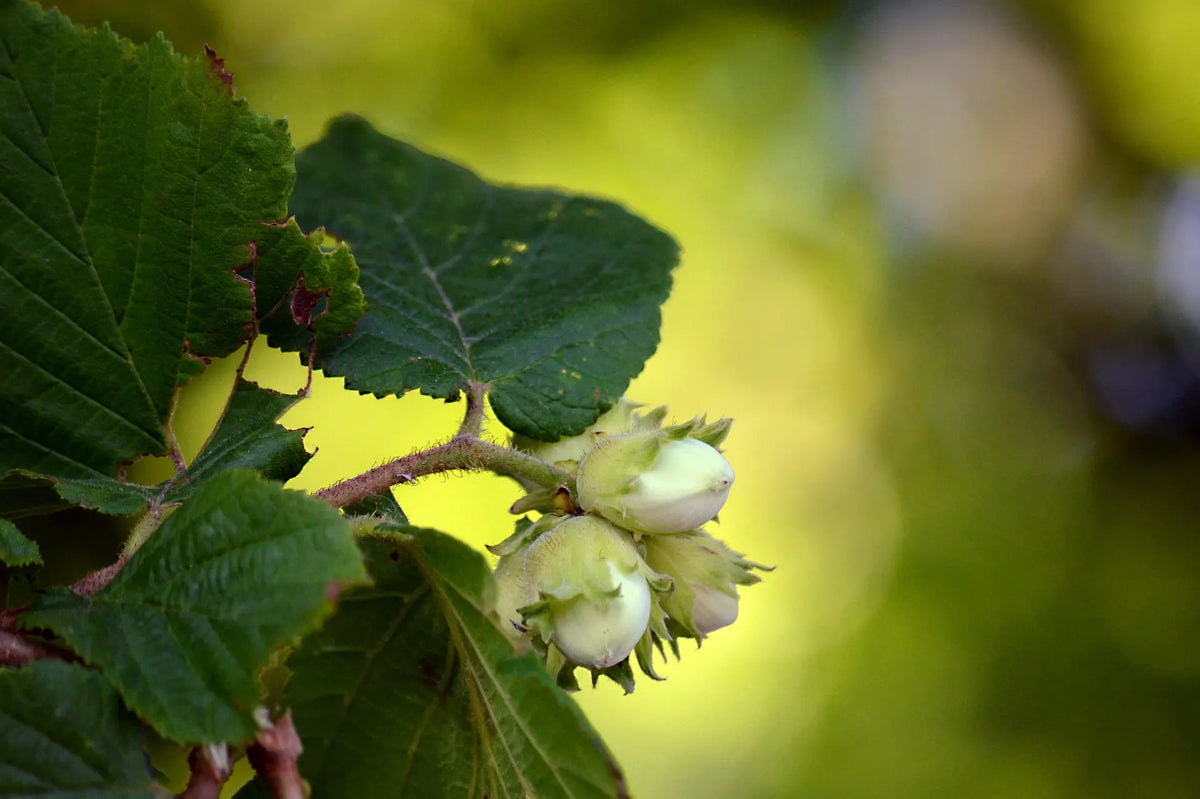
Honeysuckle
Honeysuckle ( Lonicera ) is a climbing plant popular for its fragrant flowers and decorative berries. Native to many parts of the world, honeysuckle is an ideal choice for adding a touch of beauty and fragrance to any garden or outdoor space. Suitable for trellises, pergolas, and fences, it is also very attractive to pollinators.
Plant Characteristics
-
Plant type: Deciduous or semi-evergreen climbing plant
-
Hardiness: Very resistant to cold down to -25°C
-
Height: Up to 6 meters
-
Exposure: Sun or partial shade
-
Origin: Various regions of the world, including Europe, Asia, and North America
Characteristics of the Fruit
-
Fruit Color: Red, orange or black
-
Fruit Size: Small berries 0.5 to 1 cm in diameter
-
Harvest Period: Autumn
-
Fruit Taste: The berries of some varieties are edible, but many are poisonous and should not be eaten.
Flowering and Fruiting Period
Honeysuckle blooms in spring and summer, usually from May to July . Its tubular, often fragrant flowers can be white, yellow, pink, or red, and are very attractive to bees and butterflies. After flowering, berries appear in autumn, adding an extra decorative touch to the plant.
Growing Tips
To grow honeysuckle , plant it in well-drained soil rich in organic matter. This climbing plant prefers sunny locations but also tolerates partial shade. Provide support such as a trellis or pergola so it can climb and grow properly. Regular watering is necessary for the first few years, especially during dry spells. Prune after flowering to encourage new growth and maintain the plant's shape.
Why Choose Honeysuckle?
Honeysuckle is an excellent choice for gardeners looking to add a climbing plant to their garden. Its fragrant flowers, ability to attract pollinators, and decorative berries make it a versatile and attractive plant. Additionally, its cold hardiness and easy care make it an ideal option for many types of gardens.
Uses and Benefits
In addition to its aesthetic appeal, honeysuckle offers fragrant flowers that can be used in perfumery or to flavor drinks. Some honeysuckle varieties produce edible berries rich in vitamins and antioxidants, but it is crucial to check the variety as many honeysuckle berries are poisonous. The plant is also ideal for covering garden structures such as trellises and pergolas, providing shade and a habitat for wildlife.
Why Buying Honeysuckle Plants is a Strategic Choice for Professional Market Gardeners
Buying Honeysuckle ( Lonicera ) plants is a wise decision for professional market gardeners looking to enrich their crops with an attractive and productive climbing plant. Native to various regions of the world, honeysuckle is prized for its fragrant flowers that attract pollinators, as well as its decorative berries. By choosing to buy Honeysuckle plants , you are investing in a versatile plant, capable of climbing up to 6 meters with adequate support, while withstanding temperatures down to -25°C.
Purchasing Honeysuckle plants is an excellent choice for professional market gardeners looking to diversify their production with a low-maintenance plant. Honeysuckle offers abundant flowering from May to July , attracting bees and other pollinators essential to your crops. By purchasing Honeysuckle plants , you also benefit from its ability to provide decorative berries in the fall, contributing to the beauty of your plots while providing a natural refuge for local wildlife.
Edible honeysuckle varieties produce berries rich in vitamins and antioxidants, which can be used in culinary preparations. However, it is important to choose the right varieties, as some honeysuckle berries are poisonous. By purchasing honeysuckle plants , you can offer your customers an ornamental and functional climbing plant, ideal for covering trellises, pergolas, or fences, while adding a touch of fragrance and color to your plots.
FAQ
When does honeysuckle bloom? Honeysuckle generally blooms from May to July.
What care is needed for honeysuckle? Plant it in well-drained soil, in full sun or partial shade, and water regularly for the first few years.
Are honeysuckle fruits edible? The berries of some varieties are edible, but many are poisonous and should not be eaten.
How tall is Honeysuckle at maturity? It can reach up to 6 meters in height with proper support.
When is the honeysuckle fruit harvest time? The fruits are usually harvested in autumn.
Is honeysuckle cold hardy? Yes, it is very cold hardy, down to -25°C.


 Buy now and get it delivered when you're ready to plant - Add your desired date to your quote request
 Delivery from 10 plants within 15 days FR/ EU / CH