
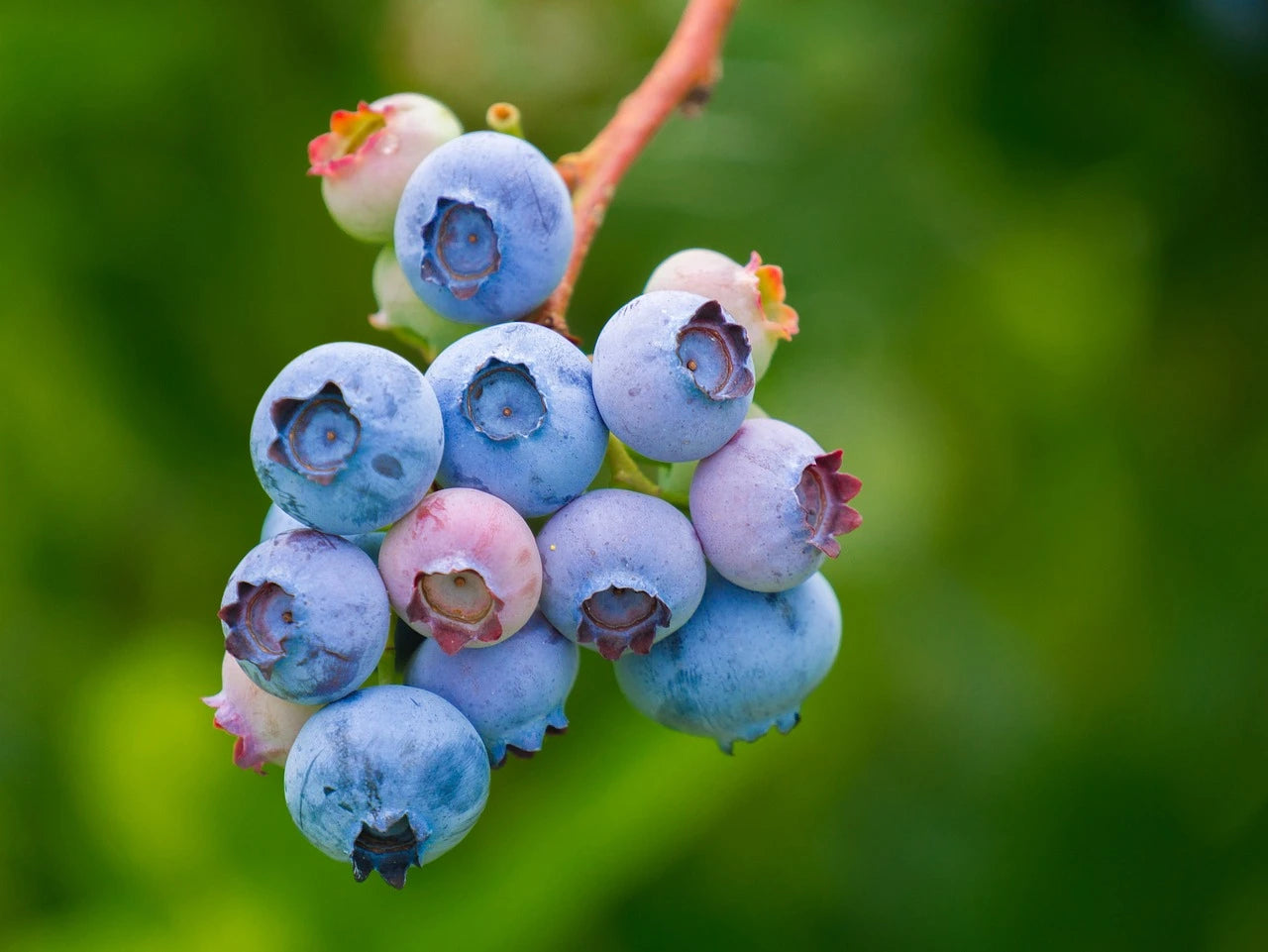
Plant Myrtillier Vaccinium Corymbosum Nelson - Godet 9 Cm
Plant Myrtillier Vaccinium Corymbosum Nelson - Godet 9 Cm
Price € excluding VAT per plant
Disponible
Couldn't load pickup availability
🛒 Online purchase : Available for France and Belgium only. To access our full product range or for deliveries outside France/Belgium. Buy on quote
 Buy now and get it delivered when you're ready to plant - Add your desired date to your quote request
 Delivery from 10 plants within 15 days FR/ EU / CH
Quand Planter / Quand Récolter les Myrtilliers ?
Vous souhaitez cultiver des Myrtilles mais vous ne savez pas quand les planter ? Vous souhaitez savoir quand vous allez récolter ? Consulter notre Calendrier de plantation et récolte pour les Myrtilliers
View full details
Blueberry plant for Professional Growers
Professional market gardeners now have access to a wide range of high-quality blueberry plants, adapted to various production needs and objectives. Available in several types (pots, pots, bare roots, etc.) and varieties (early, late, everbearing), these plants guarantee robustness, productivity, and profitability, while benefiting from expert technical support to optimize their cultivation.
How to choose the right blueberry plants for a profitable market garden
To successfully purchase professional blueberry plants , there are several essential criteria to consider. First, it's crucial to choose varieties that are suited to your region and production goals. Dwarf blueberries are suitable for smaller spaces, while vigorous-growing varieties are ideal for larger operations.
The health of your plants is paramount. Choose robust specimens with glossy foliage and well-formed buds . Plants from professional nurseries are generally more resistant to disease and pests, thanks to the meticulous care they take during cultivation .
Purchasing from specialist nurseries offers many advantages. You'll benefit from the expertise of nurserymen , who can advise you on the varieties best suited to your terroir and specific needs. In addition, these professionals often offer a diverse range , including rare or particularly productive varieties.
Professional plants generally guarantee a better yield . For example, the Elisabeth variety, highly appreciated by professionals, produces good-sized, firm and very aromatic fruits , with an extended harvest period from mid-July to early September . This long production period allows sales to be spread out and profits to be maximized .
Finally, purchasing professional plants often comes with technical support . Nurserymen can provide you with valuable advice on the maintenance, fertilization, and protection of your blueberry bushes, ensuring the longevity of your investment . This support is particularly valuable for optimizing the growth and productivity of your plants over the long term.
By choosing professional-quality plants , you are investing in the success of your operation . These plants, although potentially more expensive to purchase, offer better value for money in the long term, thanks to their robustness, productivity and longevity .
What type of blueberry plant should you choose for a successful market garden?
To choose the type of blueberry plant best suited to your farm , it is important to consider the advantages and disadvantages of each option:

Plants in alveoli :
- Good value for money and easy to handle .
- Reduced soil consumption thanks to the small size of the cells.
- Depth favorable to the rooting of seedlings.
- Require careful care and rapid transplanting .
Mini-ball plants:
- More substrate than plants in cells.
- Good compromise between ease of handling and root development.
- Suitable for mechanized planting .
Bare-root plants:
- Economical and easy to transport .
- Available for hardy varieties .
- Requires prompt planting after receipt.
- Sensitive to water stress during recovery.
Plants in pots :
- More developed root system , promoting better recovery.
- Suitable for staggered plantings .
- Require more potting soil and are more expensive to produce .
Potted plants:
- Ideal for blueberry bushes , generally 2 years old.
- Allows for faster fruiting .
- Recommended: plants at least 30 cm high with at least 3 branches .
- More expensive , but ensure better recovery and early production .
For a professional blueberry operation , professional-quality potted plants are often preferred. They ensure better recovery and faster production , thus justifying the higher initial investment . However, the final choice will depend on your specific constraints , particularly in terms of budget , storage space and planting method .
Which blueberry varieties should you choose for diversified and profitable market gardening?
Blueberry bushes offer a wide variety of varieties adapted to the different climates and needs of French producers . Here is an overview of the most common varieties and their specific characteristics :
Traditional varieties:
- Bluecrop : This very popular variety produces large, dark blue, juicy, and sweet fruits . It is valued for its cold resistance and adaptability to different soil types . Bluecrop is a safe choice for growers looking for a reliable and productive variety.
- Jersey : Known for its large, sweet-tasting blue fruits , Jersey is a very productive variety that requires cross-pollination for a bountiful harvest. It is particularly suitable for growers targeting the fresh fruit market .
- Duke : This variety produces medium to large fruit , with a balance of sweetness and acidity . Duke is disease resistant and adapts well to different soil types , making it a versatile choice for growers.
Specific varieties:
Early:
- Patriot : This dwarf variety produces large, sweet-tasting berries as early as mid-June. Disease resistant and suited to diverse climates , Patriot is ideal for growers wanting an early harvest .
- Reka : A very productive early variety, Reka produces good-sized fruits with a natural wild blueberry flavor . Its harvest extends from mid-June to early July, and it adapts well to unfavorable soil conditions .
Late:
- Liberty : This late variety produces very good-sized and tasty fruit . Its grouped maturity is suitable for all outlets, which makes it an interesting choice for a late-season harvest .
- Aurora : A very late variety, Aurora extends the harvest season until September . It produces firm, good quality fruit , ideal for the fresh market or processing .
Remontantes:
Although everbearing blueberries are less common, some varieties such as 'Perpetua' or 'Peach Sorbet' offer production spread throughout the season . These varieties are particularly attractive to growers looking to extend their harvest period .
Special varieties:
- Pink Lemonade : This unique variety produces pink blueberries with a sweet and tangy flavor . It is particularly prized for its unusual color and its use in desserts and jams .
The choice of variety will depend on local climatic conditions , production objectives and the target market . It is recommended to plant several varieties to ensure cross-pollination and spread out the harvest period . This allows growers to optimize their yield and meet different market demands throughout the season.
Everbearing blueberries: a strategy for extending the harvest season in market gardening
Although everbearing blueberries are rare , there are a few varieties that offer staggered production or a second harvest within the season . These varieties are particularly attractive to commercial growers looking to extend their production period and maximize their yields .
The HortBlue Petite(s) variety is a remarkable innovation in the field of everbearing blueberries. This variety offers a first harvest in July , followed by a second at the end of August . Its compact shape and limited growth of 1 meter make it an ideal option for farms with space constraints .
Other remontant varieties recommended for professionals include:
- Perpetua : This variety produces a first harvest in July , then a second in September-October . It is appreciated for its resistance to cold and its production of medium-sized fruits with a sweet flavor .
- Peach Sorbet : Although primarily ornamental , this variety can produce fruit throughout the season . Its colorful foliage also makes it an attractive choice for crop diversification .
- Sunshine Blue : This semi-everbearing variety produces medium-sized fruits with a sweet flavor . It is particularly suited to regions with mild winters .
It is important to note that most commercial blueberry varieties are non-everbearing . Everbearing varieties are still in development and their availability may be limited . However, they offer significant advantages for professional growers:
- Spreading production over a longer period, allowing better management of harvests and sales .
- Ability to target off-season markets with potentially higher prices .
- Reduction of risks linked to climatic hazards , production being spread over several periods .
To optimize the production of everbearing blueberries , it is recommended to:
- Ensure regular irrigation and adequate nutrient supply to support continued production.
- Practice suitable pruning to encourage the formation of new fruit-bearing branches .
- Monitor plants carefully to detect and quickly treat any health problems .
In conclusion, although the options are still limited , everbearing blueberry varieties represent an interesting opportunity for professional growers looking to diversify their offerings and extend their production season . As breeding programs advance, we can expect to see new, more efficient everbearing varieties emerge in the coming years.
Blueberry Planting Calendar: The Best Times to Ensure Optimal Recovery and Good Yield
Planting blueberry bushes is a crucial step to ensure good recovery and maximize future yield . The optimal planting schedule depends on several factors, including your region's climate and the type of plants chosen .
For most regions in France, the ideal time to plant blueberries is from September to November , or from February to May . This wide window allows growers to adapt to local climatic conditions and their growing schedule .
Autumn planting (September to November) has several advantages:
- Better rooting before winter , thanks to the favorable temperature and humidity of the soil.
- Use of autumn rains , reducing irrigation needs.
- Allows plants to establish before growth resumes in spring .
Spring planting (February to May) is also possible and may be preferred in certain situations:
- In regions with harsh winters , it prevents frost damage to young plants.
- It is particularly suitable for container plants , which can be planted almost year-round .
To optimize recovery and future performance, here are some recommendations:
- Plant at least 2 to 3 blueberry bushes side by side to ensure effective cross-pollination .
- Respect the planting distances : 1 m to 1.5 m in the row and at least 3 m between rows for tall varieties.
- Prepare the soil in advance by acidifying it if necessary, as blueberries prefer a pH between 4.5 and 5.5 .
- When planting, be careful not to bury the root collar of the plant and water thoroughly .
- For bare-root plants , plant quickly after receipt to avoid the roots drying out.
It is important to note that the yield of blueberry bushes increases gradually over the years. A small harvest can be expected in the first year after planting, but the first significant yield usually comes two years later .
For professional growers, using the lunar calendar can further optimize planting. In 2025, for example, the best dates for planting blueberries during the waning moon and in fruit/seed days are:
- March : 11, 12, 13
- April : 8, 9, 18
- August : 22, 23, 24 (before 1 p.m.)
- September : 19, 20
- October : 16, 17, 18 (after 11am), 26
- November : 12, 13, 14 (after 12 p.m.)
By following these recommendations and adapting the planting schedule to your local context , you will maximize the chances of success of your blueberry crop and optimize your future yields .
Ideal conditions for successful professional blueberry planting
For successful professional cultivation of blueberries , it is essential to respect certain ideal planting conditions :
Exposure :
Blueberries thrive in a sunny to partially shaded location . In the northern regions of France , full sun is recommended, while in the south , partial shade is preferable to protect the plants from extreme heat. This flexibility allows the crop to be adapted to different regional climates .
Ground :
Blueberry bushes require acidic soil , with an ideal pH between 4.5 and 5.5 . For naturally acidic soils, simply adding well-rotted bark compost is sufficient. In non-acidic soils, it is necessary to create a suitable environment by digging a pit 50-60 cm deep and wide, lined with geotextile felt and filled with a mixture of heather soil and forest compost .
Drainage:
Good drainage is crucial to avoid waterlogging , which is harmful to the surface roots of blueberries. In hydromorphic soils , it is recommended to create raised mounds of 15 to 20 cm to facilitate drainage.
Planting distances:
For professional cultivation , the recommended planting distances are 1 m to 1.5 m in the row and at least 3 m between rows . These spacings allow good aeration of the plants and facilitate maintenance and harvesting .
Climate :
Blueberries are adapted to various climates , but require a cold period for optimal flowering . A winter temperature below 8°C is necessary to ensure fruit production.
Irrigation:
A drip irrigation system is highly recommended to provide the adequate amount of water and maintain constant soil moisture without saturation.
Pollination:
Although some varieties are self-fertile , having several different varieties promotes better pollination and increases yields . It is advisable to plant at least 2 to 3 different varieties nearby .
Mulching:
Applying organic mulch around the base of the plants helps maintain soil moisture , suppress weeds and keep the soil acidic .
By respecting these ideal conditions , professional producers can optimize the growth and productivity of their blueberry bushes, thus ensuring abundant and quality harvests over the long term .
What soil is needed for successful professional blueberry cultivation?
Blueberry is a demanding plant in terms of soil conditions , requiring specific characteristics for optimal growth and production.
Favorable soil types:
Blueberries prefer light, well-drained soils rich in organic matter . Sandy or sandy loam soils are particularly suitable. Clay soils should be avoided as they can cause drainage problems and limit root development .
Recommended pH:
The optimal pH for growing blueberries is between 4.5 and 5.5 . A pH between 4.2 and 5.5 is tolerated, but outside this range, nutritional problems can occur:
- At a pH below 3.8 , potassium deficiencies may occur.
- Above 5.5 , iron absorption is impaired , causing chlorosis .
Drainage:
Good drainage is crucial for blueberries, as their roots are susceptible to suffocation . The soil should be moist but never soggy . The water table should not be less than 30 cm below the surface. To improve drainage in heavy soils, planting on 30 to 35 cm high mounds is recommended.
Necessary amendments:
- Soil acidification : If the pH is too high, adding sulfur can help lower it. Approximately 60g of sulfur per linear meter is recommended for mound cultivation or 150kg/ha .
- Organic Matter : Blueberries thrive in soils rich in organic matter , with an ideal level above 9% . Incorporating compost, peat moss, or pine bark can improve soil structure.
- Heather soil : In naturally alkaline soils , creating a suitable environment may require the addition of heather soil mixed with pine bark compost .
- Fertilization : Blueberries have specific nutrient requirements . They preferentially absorb nitrogen in the form of ammonium rather than nitrates. The use of low-nitrogen organic fertilizers is recommended to avoid the risk of root burn .
Mulching:
Applying an organic mulch , such as pine needles or bark , helps maintain soil acidity , retain moisture , and limit weed growth .
Growing above ground in unsuitable soil:
In case of unsuitable soil , soilless cultivation is an interesting alternative. It allows optimal conditions to be created , in particular an acid pH and adequate drainage . The substrate used must ensure good air and water retention , structural stability over time and a stable acid pH .
By meeting these soil requirements , growers can create an optimal environment for blueberry growth and productivity, ensuring abundant, quality harvests .
Starting a blueberry plot: the key steps for successful professional planting
To successfully start a blueberry plot , it is essential to follow several key steps :
Soil analysis:
Start by conducting a thorough soil analysis to determine its pH , organic matter content , and composition . The ideal pH for blueberries is between 4.5 and 5.5 . If necessary, adjust the pH by incorporating sulfur or acidic peat several months before planting.
Ground preparation:
Loosen the soil deeply (50-60 cm) to promote good drainage . Remove weeds , especially perennials. If natural drainage is insufficient, create mounds 30-35 cm high to prevent root asphyxiation .
Soil amendment:
Incorporate well-rotted organic matter (compost, composted manure) at a rate of 30 to 50 tonnes per hectare . Also add heather soil or pine bark compost to improve soil acidity and structure.
Choice of varieties:
Select a range of varieties suited to your climate and production goals . Combine early, mid-season, and late varieties to spread out the harvest. For example:
- 'Duke' for early production
- 'Bluecrop' for mid-season
- 'Elliott' for a late harvest
Organization of plantations:
Plant in rows 3 to 3.5 meters apart , with 1 to 1.5 meters between plants in the row. This arrangement makes maintenance and mechanized harvesting easier. Alternate varieties in each row to promote cross-pollination .
Irrigation system:
Install a drip irrigation system before planting. Blueberries need constant but not excessive moisture.
Planting:
Plant preferably in the fall or early spring . Dig holes twice as wide as the root balls of the plants. Place the plants slightly deeper than they were in the nursery, making sure to spread the roots well .
Mulching:
Apply a thick mulch (5-10 cm) of pine bark or wood chips around the plants to maintain moisture , control weeds and keep the soil acidic .
Protection:
Install bird netting or audible scarers to protect fruit from winged predators .
Fertilization plan:
Establish a suitable fertilization program , favoring organic or slow-release fertilizers rich in ammoniacal nitrogen , which is better suited to blueberries than nitrate nitrogen.
By following these essential steps and paying careful attention to site preparation and variety selection , you will lay a solid foundation for a productive and sustainable blueberry plot.
Beneficial associations for blueberries: improving pollination, protection and productivity in market gardening
The judicious combination of different blueberry varieties and their association with companion plants can greatly improve the productivity and health of your crop . Here are the main strategies to adopt:
Combination of blueberry varieties:
It is recommended to plant at least two to three different blueberry varieties side by side to promote effective cross-pollination . This diversity increases yields and improves fruit quality . For example, combining 'Bluecrop' with 'Jersey' and 'Duke' results in a spread-out and abundant harvest .
Associations beneficial to pollination:
Blueberries combine remarkably well with raspberries and strawberries . These three species form a harmonious ensemble that attracts a wide variety of pollinators , thus promoting better fruiting . In addition, this combination offers a varied harvest spread throughout the season.
To attract more pollinators, incorporate honey-producing plants like rhododendrons and azaleas into your blueberry beds. These plants not only attract the insects needed for pollination but also create an aesthetically pleasing and diverse environment .
Protection against diseases and pests:
Combining blueberries with certain companion plants can help provide natural protection against diseases and pests. For example:
- Plant garlic or chives between the rows to repel certain insect pests .
- Include aromatic plants such as thyme or lavender , which attract beneficial insects and repel certain pests.
- Use companion planting with flowering plants such as marigolds or calendulas , which are known for their nematicidal properties and ability to attract beneficial insects .
For optimal protection , it is recommended to regularly spray the plants with a horsetail decoction , especially in hot and humid weather . This practice strengthens the blueberry bushes' natural resistance to fungal diseases .
Finally, to create a delicious and protective hedge , combine your blueberries with blackcurrant and gooseberry bushes . This combination not only offers a variety of fruits , but also creates a natural barrier against certain pests and diseases .
By adopting these association strategies , you will promote a more resilient , productive and environmentally friendly blueberry crop, while optimizing the use of space on your farm.
Blueberry bush maintenance: best practices for healthy and regular production in market gardening
Blueberry bush maintenance is essential to ensure healthy growth and abundant fruit production . Here are the key aspects to consider:
Watering:
Blueberry bushes need consistently moist but well-drained soil . Regular watering is crucial, especially during the growing and fruiting periods. It is recommended to water deeply once or twice a week , taking care not to soak the soil .
Using a drip irrigation system is ideal for maintaining constant humidity without wetting the foliage, which could encourage the development of fungal diseases .
Fertilization:
Blueberry bushes benefit from fertilization adapted to their specific needs :
- In spring , apply a nitrogen-rich fertilizer to stimulate vegetative growth.
- In summer , choose a balanced or potassium-rich fertilizer to promote flowering and fruit production.
It is best to use organic fertilizers or fertilizers formulated for acid-loving plants , following the manufacturer's recommendations to avoid over-fertilization.
Preventive treatments:
Prevention is crucial to maintaining the health of blueberry bushes . Here are some effective preventative measures :
- Spray plants regularly with a horsetail decoction , especially in hot, humid weather , to strengthen their natural resistance to fungal diseases .
- Apply organic mulch around plants to maintain moisture , suppress weeds and keep the soil acidic .
- Ensure good air circulation by spacing plants properly and pruning regularly .
Curative treatments:
In the event of health problems, rapid interventions are necessary:
- To control pests such as aphids or mites, use natural insecticides such as pyrethrum or insecticidal soap .
- In case of fungal diseases such as brown rot or powdery mildew, apply appropriate fungicides , favoring organic solutions when possible.
- If you observe signs of iron deficiency (chlorosis) , apply an iron chelate to the base of the plants.
Size :
Regular pruning is essential to maintain the vigor of blueberry bushes and optimize their production :
- Perform annual clean-up pruning to remove dead, damaged or diseased branches .
- On older plants, perform rejuvenation pruning by cutting back one or two old branches to stimulate the growth of new productive shoots .
By following these maintenance practices , you will promote the health and productivity of your blueberry bushes , ensuring abundant, quality harvests year after year.
Pruning Blueberry Bushes: Professional Techniques to Boost Growth and Production
Pruning and training blueberry bushes are essential to optimize their growth and production . Here are the specific techniques to apply:
Training size:
For young plants , formative pruning is crucial during the first two years :
- First year : Shorten the branches by half to promote a balanced structure .
- Second year : Prune again quite heavily to stimulate branching , which will improve future production capacity .
Annual maintenance pruning:
Carry out maintenance pruning every year , preferably at the end of winter or the beginning of spring :
- Remove dead, diseased or damaged branches .
- Remove weak branches that hang outward from the bush to maintain a compact shape .
Rejuvenation size:
For older plants , perform rejuvenation pruning every two or three years :
- Cut back older branches (over 4 years old) near the base to stimulate the growth of new productive shoots .
- Keep only about twenty 2-year-old branches to optimize production .
Specific techniques to improve growth and production:
- Center ventilation : Remove branches that grow inward from the bush to promote air circulation and light penetration , thus reducing the risk of fungal diseases .
- Pruning low branches : Cut branches that hang close to the ground to facilitate harvesting and prevent fruit from touching the ground.
- Selecting productive branches : keep the branches from the previous year or two years ago at most, as these will produce the most abundant and best quality fruit .
- Thinning : If the bush is too dense, remove some branches to encourage the development of the remaining fruits.
- Green pruning : in summer, after harvesting, you can do a light green pruning to stimulate the growth of new branches that will bear fruit the following year.
For efficient pruning, always use clean, sharp tools to avoid the spread of disease .
Regular and proper pruning of your blueberry bushes will not only promote better fruit production , but will also help maintain the health and vigor of your plants over the long term.
Blueberry diseases: identification, prevention and appropriate treatments in professional cultivation
Blueberry bushes are prone to several common diseases that can affect their growth and production . Early identification and appropriate solutions are essential to maintaining plant health.
Moniliosis (Monilinia vaccinii-corymbosi):
This fungal disease causes wilting of flowers and young shoots. Symptoms include browning and drying of flowers , as well as the formation of grayish spores .
- Biological treatment : apply a mixture of wettable sulfur (0.3%) and copper (Airone, 280 g/kg of metallic copper) from bud break until the end of flowering.
- Conventional treatment : Use registered fungicides containing thiophanate-methyl or boscalid .
Anthracnose (Colletotrichum acutatum):
This disease manifests itself by lesions on leaves, buds, stems and fruits .
- Biological treatment : spray a horsetail decoction regularly, especially in hot and humid weather .
- Conventional treatment : Apply fungicides based on azoxystrobin or pyraclostrobin .
Rust (Pucciniastrum vaccinii):
It is characterized by orange pustules on the leaves .
- Biological treatment : use a mixture of sulfur and potassium bicarbonate (Vitisan).
- Conventional treatment : apply fungicides based on trifloxystrobin or fluopyram .
Gray mold (Botrytis cinerea):
This disease mainly affects fruits , causing them to rot .
- Biological treatment : use products based on Bacillus amyloliquefaciens ssp. plantarum .
- Conventional treatment : Apply fungicides containing fenhexamid or cyprodinil .
General preventive measures:
- Ensure good air circulation by spacing plants properly and pruning regularly .
- Maintain good soil drainage to avoid excess moisture.
- Promptly remove infected plant parts to limit the spread of disease.
By adopting these preventive measures and intervening quickly as soon as the first symptoms appear , you can significantly reduce the impact of diseases on your blueberry bushes and maintain healthy and abundant production .
Blueberry pests: integrated control strategies for effective and sustainable protection
Blueberry bushes can be affected by various pests and parasites that threaten their health and productivity . Early identification and an integrated pest management approach are essential to effectively protect crops.
Drosophila suzukii (Asian fruit fly):
This small fly attacks healthy fruit before harvest . The females lay their eggs in the fruit, causing it to rot .
- Prevention : Install fine-mesh (< 1 mm) insect nets to protect crops.
- Biological control : Use apple cider vinegar traps to capture adults.
- Chemical control : In case of severe infestation, approved insecticides can be applied, but only as a last resort .
Aphids:
These small sucking insects weaken plants and can transmit viruses .
- Prevention : encourage the presence of beneficial insects such as ladybugs and lacewings .
- Biological control : spray a diluted black soap solution or use natural predators such as ladybug larvae .
- Chemical control : in case of heavy infestation, use insecticides based on natural pyrethrin .
Blueberry worms (Grapholita packardi):
These caterpillars attack buds and fruits , causing significant damage .
- Prevention : Install pheromone traps to detect their presence early.
- Biological control : use products based on Bacillus thuringiensis , which are effective against larvae.
- Chemical control : in case of heavy infestation, apply specific insecticides according to local recommendations.
Birds:
Although not considered pests in the strict sense , birds can cause significant damage to crops .
- Prevention : Install anti-bird nets or sound scarers .
- Alternative methods : Use visual lures such as scarecrow balloons or reflective tape .
Integrated pest management approach:
For effective and long-lasting protection of blueberry crops, it is recommended to adopt an integrated pest management approach combining several methods:
- Regular monitoring : Inspect your plants frequently to quickly detect any signs of infestation.
- Preventive measures : maintain good hygiene in the plot , eliminate plant debris and promote biodiversity to attract natural predators.
- Cultivation methods : Practice suitable pruning to promote aeration and reduce conditions favorable to pests .
- Biological control : favor the use of natural auxiliaries and biological products before any chemical treatment.
- Chemical treatments : only use pesticides as a last resort , choosing selective products and respecting the doses and application periods .
By combining these different approaches and remaining vigilant, you can significantly reduce the impact of parasites and pests on your blueberry crops, while preserving the ecological balance of your farm.
Blueberry harvest: best practices to ensure quality and yield in market gardening
Blueberry harvesting is a crucial step in ensuring the fruit's commercial quality . Careful and timely picking optimizes production and preserves the berries' organoleptic qualities .
Harvest period:
The blueberry harvest period generally extends from the end of May to the end of September , depending on the varieties and regions :
- Early varieties like 'Bluetta' and 'Patriot' can be harvested as early as June.
- Late varieties like 'Berkeley' and 'Darrow' produce until mid-September.
Maturity indices:
Blueberries are ready to harvest when they are a uniform blue color and easily detach from the plant. It is recommended to leave the fruit on the plants for 3 to 5 days after they have reached their final color to optimize their sugar and antioxidant content.
Harvesting techniques:
For efficient and respectful fruit harvesting:
- Pick blueberries by rolling them gently with your fingertips in the palm of your hand to avoid damaging the protective waxy film .
- Use shallow containers to avoid crushing the fruit. Clamshell cans of approximately 1/4 liter are recommended for the professional market.
- For large-scale harvests, choose buckets worn over the shoulder or attached to the belt to free up both hands of the picker.
- Make several passes (5 to 6) as the fruit ripens.
Quality Preservation:
- Harvest preferably in the morning , when the fruit is still fresh.
- Protect fruit from the sun after picking by using covered containers or shade material during transport.
- Cool the fruit quickly after harvesting. Storage at 0°C with a relative humidity between 90 and 95% is optimal.
- Handle fruit carefully and limit transfers to avoid shocks that could harm their preservation.
Yield and storage:
- Production can vary from 2 to 6 kg per plant in intensive cultivation.
- Blueberries are best stored for 3 to 5 days after harvest.
- With proper post-harvest management , they can be stored for up to 2 weeks .
By following these recommendations , producers can ensure a high-quality blueberry harvest , meeting the requirements of the professional market and guaranteeing consumer satisfaction .
Blueberry Propagation: Effective Methods for Professional Production
Blueberry bushes can be propagated by several methods , each with advantages and limitations for professional production:
Cuttings:
Cuttings are the most commonly used method for propagating blueberries in professional production. There are two main types:
- Woody cuttings : carried out in winter with branches from the previous year . Simple and inexpensive technique, but with a variable success rate depending on the variety.
- Herbaceous cuttings : carried out in spring or summer with tender shoots . Higher success rate and faster growth , but requires specific installations (greenhouses, misting).
Advantages of cuttings:
- Faithful reproduction of the characteristics of the mother plant
- Production of large quantities of identical plants
- Relatively low cost
Boundaries :
- Need for suitable facilities for herbaceous cuttings
- Risk of disease transmission if the mother plant is infected
Layering:
Layering is a technique less used in professional production, but can be interesting for certain varieties that are difficult to propagate .
- Layering : a branch is partially buried and develops into a new plant.
- Air layering : an incision is made on a branch and surrounded by moist substrate to encourage rooting.
Advantages of layering:
- High success rate
- Suitable for varieties that are difficult to propagate
Boundaries :
- Slow process , not suitable for large-scale production
- Requires more labor than cuttings
Division:
Clump division is a simple but less common method for propagating blueberries in professional production. It involves separating a mature plant into several parts, each with roots and stems .
Advantages of division:
- Simple and quick method
- Grow larger plants in a shorter time
Boundaries :
- Limited number of new plants obtained
- Risk of damaging roots when dividing
For professional blueberry production , cuttings remain the preferred method due to their ability to produce large numbers of identical plants at low cost . Softwood cuttings , in particular, offer high success rates and rapid growth , although they require suitable facilities.
Layering and division can be used as complementary methods , especially for varieties that are difficult to propagate or to quickly obtain larger plants . However, these techniques are generally less suitable for large-scale production .
By combining these different methods , professional growers can optimize blueberry propagation based on the varieties grown and their production goals .
Botanical species: understanding the basis of classification to cultivate better
A species is a fundamental unit of biological classification that groups together organisms that share common characteristics and are capable of reproducing among themselves to produce viable and fertile offspring .
In the plant kingdom , a species represents a group of plants with similar botanical traits that can hybridize naturally .
Botanical classification places species at the fifth taxonomic rank , after kingdom , division , class , order , and family . For example, the common blueberry (Vaccinium myrtillus) belongs to the family Ericaceae , genus Vaccinium , and is a distinct species within that genus.
Main biological characteristics of a plant species:
- Morphology : Each species has specific morphological traits , such as leaf shape, flower structure or fruit type.
- Genetics : individuals of the same species share a common genetic heritage , allowing their interfertility .
- Ecology : A species generally occupies a particular ecological niche , adapted to its needs in terms of climate, soil and interactions with other organisms.
- Reproduction : Reproductive mechanisms are specific to each species, whether sexual or asexual reproduction.
- Life cycle : Each species has a characteristic life cycle , which can be annual, biennial or perennial.
It is important to note that defining a species can sometimes be complex , especially in plants where interspecific hybridization is common . In addition, the classification of species is constantly evolving with advances in research in genetics and phylogeny .
In the context of professional cultivation , understanding the specific characteristics of a species is crucial to optimize its production , multiplication and agronomic management .
History of the blueberry bush: from wild picking to professional cultivation
The blueberry , an emblematic fruit of mountainous regions, has a rich history dating back to prehistoric times . Native to the northern regions of Europe and North America , the wild blueberry (Vaccinium myrtillus) was already known and consumed by the first inhabitants of these areas.
In Europe , wild blueberries grew naturally in mountain ranges , particularly in the Vosges , the Alps and the Massif Central . They were traditionally picked by local populations as a dietary supplement and source of income . In the high plateaus of Ardèche , for example, picking wild blueberries represented a significant economic contribution , sometimes making it possible to finance children's studies .
In North America , early European explorers discovered that Native Americans were already making extensive use of blueberries. In 1615 , Samuel de Champlain observed that Native Americans were harvesting wild blueberries, drying them, and grinding them into a paste, which was then mixed with corn, honey, and water to create a pudding. Native Americans also used it for its medicinal properties , including making a relaxing tea from the roots.
The evolution of blueberry cultivation took a major turn in the early 20th century . In 1908 , American botanist Frederick Coville began research into the domestication of wild blueberries. Together with Elizabeth White , a New Jersey grower, they developed the first cultivated varieties . Their first commercial harvest took place in 1916 , marking the beginning of commercial cultivation of this fruit.
In France , the development of blueberry cultivation began later, from 1985. French farmers introduced North American varieties , which were more resistant and voluminous than their wild counterparts. In 1987 , the Syndicat des Producteurs de Myrtilles de France (SPMF) was created to bring together farmers specializing in blueberry production.
Today, blueberry cultivation is present in at least 30 countries , thanks to genetic progress and the evolution of cultivation practices . In France, the main production areas are in the Rhône-Alpes region, the Southwest and the Loire Valley .
The history of the blueberry thus illustrates the transition from traditional harvesting to modern professional cultivation , while retaining its cultural and economic importance in the regions where it is cultivated.
-
Blue one Blueberry P9 pot - plant for Growers
Regular price €1,49 EURRegular priceUnit price per -
Bluecrop Blueberry P9 pot - plant for Growers
Regular price €1,49 EURRegular priceUnit price per -
Chandler Blueberry P9 pot - plant for Growers
Regular price €1,49 EURRegular priceUnit price per -
Collins Blueberry P9 pot - plant for Growers
Regular price €1,49 EURRegular priceUnit price per


French Blueberry Market in 2025
The blueberry market in France continues to grow rapidly, driven by diverse demand ranging from fresh consumption to processing into food products, cosmetics, and dietary supplements. Despite domestic production still being insufficient to meet consumption, opportunities for local producers are multiplying thanks to the increase in cultivated areas, varietal innovations, and financial support, while also facing the challenges of international competition and the specific requirements of this crop.
Blueberry and its fruits
The blueberry (Vaccinium myrtillus) is a subshrub of the Ericaceae family, producing small blue-purple berries called bilberries . These fruits, with a mild and slightly sweet flavor, are rich in antioxidants and nutrients . In France, the main commercial uses of blueberries include:
- Fresh consumption, very popular in summer
- Transformation into dried products for infusions and pastries
- Use as an ingredient in the food and beverage industry
- The production of food supplements and cosmetic products, exploiting their antioxidant properties
- The production of blueberry wines, taking advantage of their natural bloom
The growing demand for these varied uses is stimulating the development of the blueberry industry in France, offering new perspectives to producers .
Evolution of the French market
The French blueberry market has experienced significant growth in recent years, both in the conventional and organic sectors. In 2022, the total production area increased by 6%, reflecting the growing interest of producers . The conventional market has seen a steady increase in volumes, driven by increased consumer demand, with consumption increasing sixfold in volume since 2017 .
For the organic market, despite a general downward trend in other agricultural sectors, organic blueberries are maintaining their momentum. Les Jardins Bio du Médoc, for example, cultivate 100,000 blueberry bushes on 28 hectares, illustrating the growth potential of the organic sector . However, national production remains insufficient, with France producing only 11% of its total blueberry consumption, which leaves significant room for future market development, both conventional and organic.
Current market status
The French blueberry market will continue to grow in 2025, with an increase in cultivated areas and production volumes. In the conventional sector, national production reaches around 5,000 tonnes, now covering almost 15% of total consumption . Cultivated areas increased by around 8% compared to 2022, reaching nearly 1,200 hectares .
For the organic market, despite a general slowdown in the organic sector, blueberries are holding up better than other crops. Certified organic areas increased by 3% in 2024, while areas in conversion decreased by 37% . Demand remains strong, particularly through short supply chains and direct sales, which have grown by 9% . However, sales in large-scale distribution have fallen by 3.8%, reflecting a general trend in the organic market to favor local channels.
French regions and terroirs
The main blueberry-producing regions in France are Ardèche, Lozère, Vosges, the Alps and Brittany . Ardèche stands out as the leading producer of wild blueberries, where production extends over a third of the department, mainly in the Monts d'Ardèche Regional Natural Park .
Regional specificities favorable to blueberry cultivation include:
- An acidic soil with a pH between 4.5 and 6, typical of granite or schist soils
- An altitude generally above 600 meters, although some varieties can be grown at lower altitudes
- A cool, sunny climate, with a preference for partial shade in more southern regions
- Well-drained, light soils rich in organic matter
These conditions are particularly present in mountain ranges and areas with granite subsoil, explaining the concentration of production in these regions .
Blueberry cultivation
The main blueberry varieties grown in France include Bluecrop , Duke , Draper and Liberty . These plants require acidic soil (pH 4.5-5.5), well-drained and rich in organic matter . Regular irrigation is crucial, with 7-10 mm of water per day in summer . The recommended planting density is approximately 2000 plants per hectare .
Average yields vary between 8-9 tonnes/ha in conventional farming and slightly less in organic farming . Blueberry bushes come into production 2-3 years after planting and can remain productive for 30 to 50 years with proper maintenance . The shrub tolerates temperatures between 20-26°C, with a maximum of 35°C . Regular mulching and organic fertilization are essential to maintain soil acidity and promote optimal growth .
Trade and international competition
France occupies a modest position in the international blueberry market, representing only 0.1% of global production in 2021 with around 2,000 tonnes produced . This limited production only covers 13% of national needs, forcing the country to import massively to meet growing demand .
French blueberry imports come mainly from Spain (45%) and Morocco (21%), followed by Peru and Chile which together represent 8% of imports, especially for winter demand . Imported volumes have experienced tremendous growth, with an increase of 743% between 2003 and 2023 . This strong dependence on imports has a significant impact on French production, creating intense competition on the national market, particularly in terms of price and availability throughout the year .
The competitive impact of imports is particularly felt during the French production season. Even in the height of summer, 75% of blueberries consumed in June are imported, 50% in July and almost a third in August . This situation presents both a challenge and an opportunity for French producers, who must stand out through the quality and freshness of their local products to conquer a larger share of the expanding national market.
Opportunities for French producers
The French blueberry market offers significant opportunities for local producers, both in the conventional and organic sectors. In the conventional market, the development potential is considerable, with French consumption remaining modest at only 150 grams per year per capita, compared to 700 grams in Germany and 1.3 kg in the United States . This margin of progression represents a real growth opportunity for French producers.
For the organic market, despite a general slowdown in the sector, organic blueberries are maintaining their momentum, notably thanks to growing demand via short supply chains and direct sales, which have grown by 9% . Producers can benefit from institutional support for converting to organic and meeting specific consumer expectations in terms of quality and traceability. Diversification into processed blueberry products, such as food supplements and cosmetics, also offers promising opportunities for French producers, taking advantage of the antioxidant properties of this fruit .
Profitability and financial aid
Blueberry production in France presents significant differences between conventional and organic methods. The cost of organic production is generally higher, but this difference is offset by higher sales prices . Soilless cultivation allows for maintaining high yield potential over the long term, offering an attractive opportunity for growers .
To support the development of the sector, several aid schemes are available. Organic processing and marketing companies can benefit from public aid from various financiers such as Regional Councils, Water Agencies, ADEME and FranceAgriMer . Specific aid exists for conversion to organic farming, market gardening and the eco-regime . In addition, FranceAgriMer's orchard renovation program offers subsidies for land preparation, planting and the purchase of seedlings, with aid limited to 40 hectares per farm and 30 hectares per species .
Sector challenges and risks
The blueberry market in France faces several significant challenges. In the conventional sector, international competition, particularly from Morocco and Spain, is exerting significant pressure on prices . French producers also have to face increasing phytosanitary risks, with diseases such as grey mold, powdery mildew and root rot affecting 66%, 45% and 39% of farms respectively .
For the organic market, constraints are linked to higher production costs and strict regulations. Organic certification and required cultivation practices increase costs, while competition intensifies with the arrival of new players on the market . In addition, organic producers face specific challenges such as pest management without synthetic pesticides, notably Aphis spp. which affects 82% of farms . Demand volatility, influenced by economic factors such as inflation, also represents a significant risk for all producers .
Innovations and future perspectives
The blueberry sector in France is experiencing significant advances in innovation and research. Efforts are being made to develop varieties that are more disease-resistant and better adapted to local climatic conditions. Agroecological practices are gaining ground, including the exploration of wild blueberry cultivation as a sustainable and profitable alternative . This approach, requiring few inputs and offering limited production costs, is part of an ecological approach while meeting the growing demand for local and natural products.
In the medium term, the French blueberry market is expected to continue its growth, driven by increased consumer demand for healthy, antioxidant-rich foods. Estimates suggest that the European blueberry market size could reach USD 12.40 billion by 2029 . For French producers, this represents an opportunity to develop new outlets, particularly in the food supplement and cosmetics sectors, while strengthening their position on the domestic market in the face of international competition . Adopting sustainable practices and investing in improved varieties will be crucial to meeting this growing demand while maintaining the quality and competitiveness of French production.
Market gardening opportunities and strategies
Blueberry cultivation presents interesting opportunities for French market gardeners, but requires careful consideration before embarking on it.
Benefits :
- Fast-growing market with increasing consumer demand
- Potential for diversification of income and outlets (fresh, processed, cosmetics)
- Perennial crop that can remain productive for 30 to 50 years
Disadvantages:
- High initial investment (around €26,000/ha)
- Specific soil and climate requirements
- Strong international competition, particularly from Spain and Morocco
Recommendations:
- Carefully assess the soil and climate conditions of your farm
- Favor varieties adapted to your region and the targeted marketing channels
- Consider soilless cultivation to overcome soil constraints
- Focus on quality and freshness to stand out from imports
- Explore opportunities in organic farming and short supply chains
- Find out about the assistance available for organic installation and conversion
A thorough analysis of the local market and your investment capabilities is crucial before embarking on this demanding but potentially profitable crop.
Blueberry plant suppliers
For market gardeners and professional producers looking for quality blueberry plants or advice on planting a plot, two specialist suppliers stand out on the French market:
- Bairiverse ( https://plantspetitsfruits.com/ ): Wholesale supplier offering a wide range of small fruit plants, including blueberries, in different formats (mini-plugs, pots, pots). They offer organic and conventional plants, with a responsive sales service and fast delivery throughout France .
- Econome à Légumes ( https://economealegumes.fr/ ): Trader in plants and plant material, specializing in the supply of plants for French professional producers. They offer decreasing prices according to volume and ensure direct delivery to the farm .
Both companies offer not only quality plants, but also personalized technical support, from variety selection to growing advice. Their expertise can be invaluable in optimizing your blueberry production and maximizing your profitability .
French Small Fruit Market in 2025
The berry market in France offers promising opportunities for market gardeners in 2025, thanks to growing demand for these prized fruits, both fresh and processed. Despite challenges related to climatic hazards, international competition, and production costs, producers can take advantage of regional specificities, financial support, and varietal innovations to develop this high-value-added sector, particularly in organic and short supply chains.
Presentation and commercial uses
Small red fruits include various species such as raspberries , gooseberries , blackcurrants and blueberries . They are generally shrubs or bushes producing edible berries appreciated for their taste and nutritional qualities . Their main commercial uses in France are:
- Fresh produce sales in markets and supermarkets, in high demand during the summer season
- Processing into jams, coulis, syrups and other derivative products
- Use in baking and catering
- Direct sales on the farm and through short supply chains, promoting local production
- Supplying the food industry (yogurts, desserts, etc.)
These fruits benefit from a positive image among consumers, associated with taste pleasure and health benefits . Their cultivation makes it possible to enhance the value of small agricultural areas, offering interesting opportunities for market gardeners .
Recent market developments
The French berry market has seen mixed developments in recent years. For the conventional market, there has been a slight increase in cultivated areas, particularly in Bourgogne-Franche-Comté, which accounts for 44% of national blackcurrant production . However, volumes have fluctuated due to climatic hazards. Regarding organic, despite a general downward trend in areas under conversion (-28% in 2022), the organic berry sector has held up better thanks to sustained demand . Certified organic areas increased by 8%, reflecting growing consumer interest in local organic products .
- Conventional market: Slight increase in surface area, variable volumes
- Organic market: Growth in certified areas (+8%), decrease in conversions
- Growing demand for local and organic products
- Organic fruit and vegetable market share stable at 6.7% in volume and 7.9% in value in 2024
- Less marked decline in volume purchases for organic fruit and vegetables compared to conventional ones
Current market status
The French berry market is currently experiencing mixed dynamics. For the conventional market, cultivated areas remain stable, with a slight upward trend for certain species such as strawberries. Production volumes fluctuate depending on climatic conditions, but there is growing demand for tropical fruits such as avocados, whose consumption reached 150,000 tonnes in 2023 . The organic market, meanwhile, is experiencing a slowdown after years of strong growth. Certified organic areas for fresh fruit will represent 30,269 ha in 2022, with a notable drop in conversions (-23%) . Despite this decline, organic still represents 27% of the French fruit-growing agricultural area, demonstrating a resilient sector in the face of current economic challenges .
- Conventional: Stability of surfaces, increasing demand for certain exotic fruits
- Organic: 30,269 ha certified, slowdown in conversions but maintenance of a significant share (27% of the fruit UAA)
- General trend: Decrease in volumes purchased (-10% organic, -6% conventional), but increase in the average basket
Producing regions and terroirs
The production of small fruits in France is concentrated in several key regions, each with its own specificities:
- Hauts-de-France: Leading gooseberry producing region (27% of national areas) . Aisne specializes in raspberries, Oise in blackcurrants, and Nord-Pas-de-Calais in strawberries .
- Rhône-Alpes: Main production area for raspberries and redcurrants .
- Burgundy: Important for blackcurrant cultivation, particularly in the communes of Arcenant, Echevronne, Fussey .
- Loire Valley: Diversified production, including blueberries, raspberries and redcurrants .
- Aquitaine and Limousin: Major areas for blueberries .
Favorable regional specificities include:
- Acidic to neutral, well-drained soils for most small fruits .
- Temperate climate with good sunshine, crucial for the development of aromas .
- Altitude (e.g. 900m on average in Velay) allowing for deseasonal production .
These varied conditions allow France to cultivate a wide range of small fruits, adapted to local terroirs.
Cultural requirements and varieties
Small fruits require specific growing conditions for optimal production. The main varieties grown in France include Gariguette and Mariguette for strawberries, and Patriot for blueberries . These fruits generally prefer well-drained soils, rich in organic matter, with a slightly acidic to neutral pH (5.5-7.0) . Irrigation is crucial, especially for strawberries and raspberries, with a drip system recommended . Planting density varies depending on the species: 30 cm between plants for strawberries, 100-150 cm for blueberries . Yields in organic farming are generally 20-30% lower than conventionally grown. Most small fruits come into production 1-2 years after planting and remain productive for 5-10 years, depending on the species and care .
Foreign trade and competition
France occupies a modest position on the international berry market, with insufficient production to meet domestic demand. Imports play a crucial role, particularly for raspberries and blueberries, where only 15% of consumption is covered by French production . The main suppliers are Spain, Peru, Chile, and Mexico, whose combined share reaches 51.4% of fresh berry imports . This dependence on imports exerts competitive pressure on French producers, particularly in terms of price, with Spain, for example, producing tomatoes at 1 euro less per kilo . However, this situation also offers opportunities for the development of local production, particularly in short supply chains and organic, to meet the growing demand for quality French products .
Development opportunities
The French berry market offers significant opportunities for local producers, both conventional and organic. For the conventional market, diversification into berries represents a promising growth strategy, allowing the exploitation of new segments and reducing the risks associated with a single production . The growing imports of raspberries (+100%), blackberries (+150%) and blueberries (+500%) over ten years reveal significant development potential for national production .
In the organic sector, despite a recent slowdown, opportunities remain numerous. Institutional aid, such as the "Ambition Bio 2017" program, aims to double the area under organic farming . Consumer demand for local and traceable organic products remains strong, offering opportunities in short supply chains, supermarkets and artisanal processing. Producers can benefit from investment aid from various organizations such as Regional Councils or FranceAgriMer to develop their organic projects .
Profitability and financial aid
Organic berry production has production costs that are approximately 20 to 30% higher than conventional production, mainly due to higher labor costs and generally lower yields . However, the selling prices of organic berries are on average 44% higher than their conventional equivalents, which helps to offset these additional costs . Potential profitability remains attractive, with gross margins reaching €15,000 to €20,000/ha for certain species such as raspberries or blueberries, compared to alternative crops such as cereals .
To support this sector, several aid schemes are available. Conversion aid (CAB) and maintenance aid (MAB) offer financial support to organic producers, with amounts varying depending on the crops . The organic tax credit, increased to €3,500, is also available to farms generating more than 40% of their income from organic products . In addition, an exceptional support fund of 105 million euros has been set up in 2024 to help organic farms that have suffered economic losses, demonstrating the commitment of public authorities to this promising sector.
Sector challenges and risks
The market for both conventional and organic berries is facing significant challenges. In the conventional sector, international competition, particularly from Poland, is exerting strong pressure on prices . Climatic hazards can lead to production losses ranging from 30 to 70% depending on the plots, while phytosanitary risks increase with a limited number of approved products . In addition, the presence of pesticide residues in more than 70% of conventional fruits raises concerns among consumers .
For the organic market, the main constraints are linked to high production costs, resulting from a more labor-intensive cultivation method . Strict regulations involve regular inspections and costly certifications. Competition is intensifying in the organic market, with supply growing faster than demand, putting downward pressure on prices . Organic berries cost 30% to 50% more than their conventional counterparts, which may hinder their adoption by consumers .
Innovations and future perspectives
The berry sector in France is experiencing a promising dynamic of innovation. Research is focusing on developing varieties that are more disease-resistant and adapted to climate change, such as the ever-bearing Kwanza raspberry or the Sekoya Pop blueberry . Agroecological practices are gaining ground, with the increasing adoption of techniques such as dynamic population management and participatory selection, allowing for better local adaptation of varieties .
By 2030, the market is expected to experience sustained growth, driven by changing eating habits and growing demand for healthy, local products . The goal of some brands, such as Pink Lady, to reach 100 million annual European consumers by 2030 illustrates this potential . The integration of advanced technologies, such as nanotechnology and precision agriculture, is also expected to revolutionize farming practices, improving yields and fruit quality .
Recommendations for market gardeners
Growing small fruits offers interesting opportunities for French market gardeners, but requires careful consideration before embarking on the venture. Advantages include growing demand, potentially high margins, and the opportunity to diversify production . However, this crop presents challenges such as high installation costs, sensitivity to climatic hazards and increased international competition .
For an informed decision, here are some recommendations:
- Carefully assess your land and water resources, which are essential for the success of these crops .
- Start small to test different varieties and techniques before investing heavily .
- Favor short circuits and direct sales to maximize margins .
- Consider organic certification to meet the growing demand for local and organic products .
- Learn specific growing and disease management techniques for these delicate fruits .
- Explore the financial assistance available for organic installation and conversion .
By taking a step-by-step approach and leveraging local resources and available support, integrating berries can become a major asset for your market gardening operation.
Specialist suppliers and consultants
For professional market gardeners looking for quality berry plants or advice on planting a plot, two specialist suppliers stand out on the French market:
- Bairiverse ( https://plantspetitsfruits.com/ ): Wholesale supplier offering a wide range of small fruit plants in various formats (mini-balls, pots, pots). They offer organic and conventional plants, with a responsive sales service and fast delivery throughout France .
- Econome à Légumes ( https://economealegumes.fr/ ): Trader in plants and plant material, offering producer prices and direct delivery to the farm. They supply organic and conventional plants, with a focus on quality and customer service .
These two companies not only offer quality plants, but also personalized technical support, advice on the choice of varieties and growing routes adapted to your project. Their expertise can prove invaluable in optimizing your berry production .
Deliveries at Bairiverse: How does it work?
This site is a subsidiary of SARL Négo-Agro – Econome à Légumes. All our subsidiaries share the same logistics organisation, the same packaging standards and the same commercial team. We deliver across France, Switzerland and the Schengen Europe. For any delivery outside the Schengen Europe, please contact our commercial team via the contact page of this site for a tailored quote.
Delivery methods
Parcel / courier — for small to medium-sized orders. Your plants are packed in reinforced cardboard boxes and shipped via a reliable courier service. Packaging is adapted to the nature of the plant material to ensure integrity upon arrival.
Pallet — for large volumes. Each pallet is wrapped, secured and labelled by batch. This method is recommended for large-scale plantings and grouped orders.
The transport method (standard courier or refrigerated solution) is selected based on the nature of the plant material, weather conditions and the route. Unless you provide specific instructions, the shipping method is chosen by SARL Négo-Agro in accordance with standard market practice.
The seller reserves the right to split an order into several deliveries for legitimate reasons. The customer will be informed as soon as possible.
Lead times and tracking
The delivery lead time is confirmed in your order confirmation. As a guideline, allow 10 to 15 working days — this may vary depending on the season, volume, destination and weather conditions at the time of handling and transplanting.
Any modification to your order after confirmation will result in a revised delivery lead time, which will be communicated to you as soon as possible.
Once your order has been dispatched, you will receive a tracking number to follow your shipment in real time. Our commercial team remains available for any logistics query until full receipt of your order.
For large volumes and high-demand varieties, place your order in advance to secure availability.
Transport liability
Goods are transported at the buyer's risk and expense. SARL Négo-Agro's liability ends at the point of transfer of the goods to the carrier.
In the event of non-collection within the agreed timeframe, full payment remains due. SARL Négo-Agro will make every effort to keep the plants in the best possible storage conditions, without being held liable for any resulting damage.
Upon receipt
Please inspect your parcels upon delivery. Plant conformity is assessed on the basis of overall plant health and root system quality — not on the aesthetic appearance of the foliage or minor transport breakage with no impact on establishment.
Any claim regarding quantity or quality must be submitted within 10 calendar days of receipt. Claims relating to hidden defects must be raised within 3 calendar days of their discovery, with an explicit description and supporting evidence provided by the buyer.
Quote and contact
For any quote request or order-related question, please contact our team via the contact page of this site. We will get back to you within 48 hours.
Version 1.2 — April 2026
Payment Methods and Terms for your Orders at Bairiverse
This site is a subsidiary of SARL Négo-Agro – Econome à Légumes. The terms below apply to all our subsidiaries.
Accepted payment methods
We accept the following payment methods: bank transfer, credit/debit card (CB, Visa, Mastercard), PayPal and cheque (French customers only).
Bank details for transfers are provided on the quote. For cheque payments, instructions will be communicated by our commercial team.
Drafts, cheques and payment notices are only considered effective once cleared.
Payment conditions
Our prices are net at origin, excluding VAT, payable in cash, within the timeframe set by food chain legislation based on the delivery date.
Online purchase — immediate payment
For any order placed directly through our online store, payment is made in full and immediately. It confirms your order and reserves the available quantities.
Quote-based order — deposit and balance
Our commercial team qualifies your request and issues a quote based on availability at the time of quoting. As availability may change, we recommend validating your quote promptly upon receipt. Our team re-checks availability at the time of validation.
Payment of the 30% deposit constitutes acceptance of the quote, confirms your reservation and triggers the effective reservation of your plants with our suppliers.
The remaining 70% balance is called two weeks before the scheduled dispatch date. Goods are dispatched only upon receipt of full payment.
In the event of non-payment of the balance by the due date, SARL Négo-Agro reserves the right to cancel the delivery and retain the deposit to cover plant production costs as well as the commercial and administrative processing of the order.
Any specific payment terms agreed between SARL Négo-Agro and the customer take precedence over these conditions and apply in their place.
Late payment
Any payment received after the agreed due date will result in the application of statutory late payment interest and the immediate enforceability of all outstanding amounts, regardless of the payment method initially agreed.
Quote and contact
For any quote request or question regarding your payment conditions, please contact our team via the contact page of this site. We will get back to you within 48 hours.
Version 1.0 — April 2026